News
Analysis of Floral Scent Differences in Prunus mume Cultivars
This study analyzed the floral scents of six Prunus mume cultivars, identifying key compounds to support future breeding and commercial product development.
Overview
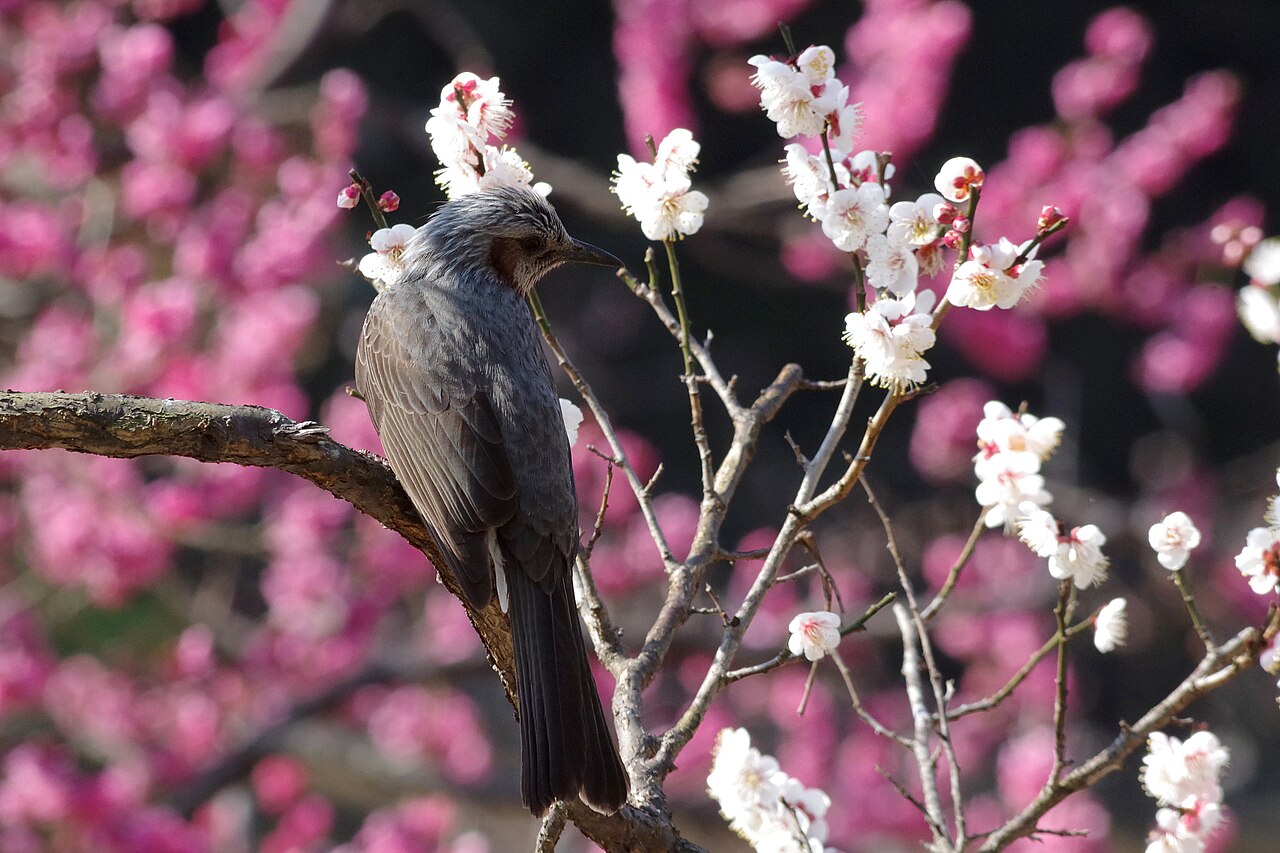
A study published in the Chinese Bulletin of Botany provides a detailed analysis of the floral scent components of six Prunus mume cultivars using advanced analytical techniques. The research team extracted volatile organic compounds (VOCs) from fully bloomed plum blossoms and identified 70 distinct compounds. Notably, this includes β-ionol, 2,3-dihydrobenzofuran, and methyl dihydrojasmonate, which were reported in P. mume for the first time. Principal component analysis (PCA) and orthogonal partial least squares-discriminant analysis (OPLS-DA) based on the relative content of these compounds clustered the six cultivars into two groups with similar aroma profiles. For instance, 'Caishan Gongfen', 'Kouban Dahong', and 'Guhong Chuizhi' formed one group, while 'Chongban Fenkou', 'Liu Lve', and 'Duo E Zhusha' formed the other. This study systematically clarifies the diversity of plum blossom scents, offering a scientific foundation for future breeding programs and the development of commercial products that leverage these distinct fragrance characteristics.
Key Points
- 70 volatile organic compounds (VOCs) were identified from the flowers.
- β-ionol, 2,3-dihydrobenzofuran, and methyl dihydrojasmonate were reported in P. mume for the first time.
- The six cultivars were clustered into two groups based on their aroma characteristics.
- Ten key differential components, such as benzyl benzoate and benzaldehyde, were identified.
- A high-sensitivity, high-resolution analytical method was successfully applied to plum scent profiling.
Points of Interest by Reader
- Plum Farmers & Producers: Understanding the scent profiles of different cultivars can serve as a reference for breeding programs focused on enhancing or modifying floral fragrance.
- Manufacturers of Plum Products: Identifying specific floral scent compounds can inspire the development of new aroma-focused products, such as specialized plum wines or aromatherapy items.
- General Consumers: This research offers an interesting insight into the scientific diversity behind the scent of plum blossoms.
This article was summarised and translated by AI from the sources listed below. Please refer to the original sources for authoritative information. Editorial Policy
Products related to this article