Culture & History
A Year of Ume-shigoto: The Plum Work Calendar
From blossom viewing in early spring to green-ume infusions, salting ripe ume and sun-drying after the rainy season — a year of plum work, following the calendar of Japan's leading growing region.
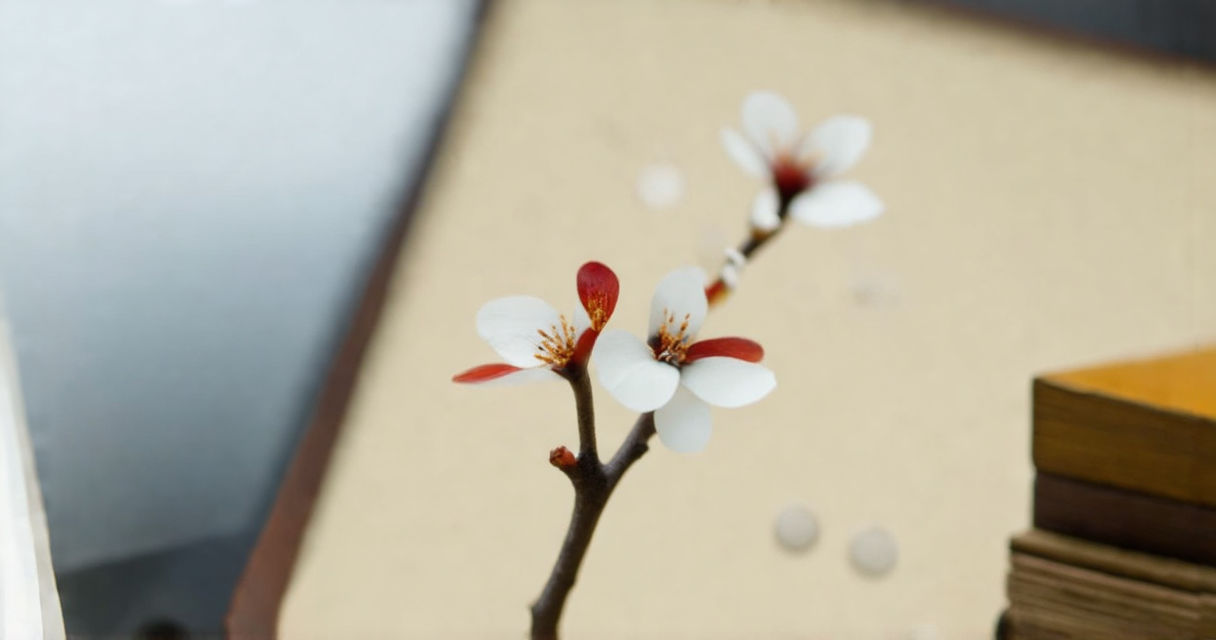
Working with ume follows the seasons closely. This calendar is based on the Minabe–Tanabe area of Wakayama, Japan's largest ume-growing region. Timing shifts with location and weather, so treat it as a guide.
January–March: Blossom season
Ume bloom before cherry blossoms, while it is still cold. In Minabe and Tanabe the groves peak around February, when the flowers are a valuable source of nectar for the bees that pollinate them. Many well-known groves in Kanto and Kansai are at their best from February into March.
May–June: Green ume for umeshu and syrup
According to Japan's Ministry of Agriculture, ume are in season from roughly May to July. Firm green ume come first; growing regions ship them from early to late June.
Green ume are ideal for umeshu and syrup, but must never be eaten raw: unripe fruit and seeds contain natural cyanide compounds. These break down substantially during steeping and maturing, so always process them first.
Wash and thoroughly dry the fruit, and clean, dry and wipe your jar with food-grade alcohol to prevent mould.
Mid June–early July: Salting ripe ume
Umeboshi are made with fully ripe, yellow, softened fruit. Nanko, the leading variety, is harvested for pickling from mid June to early July.
A common home ratio is salt at 20% of the fruit's weight (200 g per 1 kg). Cutting the salt too far invites mould, so beginners should stick to it. Under a weight, brine (umezu) rises within a few days, and salting is done in about a month. Adding red shiso gives colour and aroma.
Late July–August: Doyo-boshi
"Doyo" is the roughly 18 days before the start of autumn in the traditional calendar. Once the rainy season ends, spread the ume on bamboo trays and dry them in the sun over three or four clear days, turning them so they dry evenly. Drying removes excess moisture, improves keeping quality and softens the skins.
Autumn–winter: Resting
Stored for a while after drying, umeboshi lose their sharp saltiness and mellow. Umeshu started in spring is ready to drink after about three months — and then the blossoms return.