Column
Ume for Oseibo: Choosing a Year-End Ume Gift
Boxed umeboshi, low-salt and honey types, umeshu or an assortment: how to choose an ume gift for each recipient, with tips on timing, wrapping, salt and honey.
Oseibo is the Japanese custom of sending a gift at the end of the year to thank people who have helped you. Umeboshi and umeshu are popular choices: they keep well and go with everyday meals. Here is how to choose an ume gift for different people, and what to check before sending it.
When to send it, and the gift wrapping
According to Odakyu Department Store, oseibo is generally sent to arrive around December 13–20. If it arrives within the year it is labelled "Oseibo"; if it arrives after New Year, the label changes to "Onenga". The wrapping uses a red-and-white bow knot (cho-musubi), used for happy occasions that can be repeated.
If the recipient's family is in mourning, the gift is generally sent without the decorative wrapping and cord.
Choosing by recipient
For someone you want to thank formally: boxed umeboshi
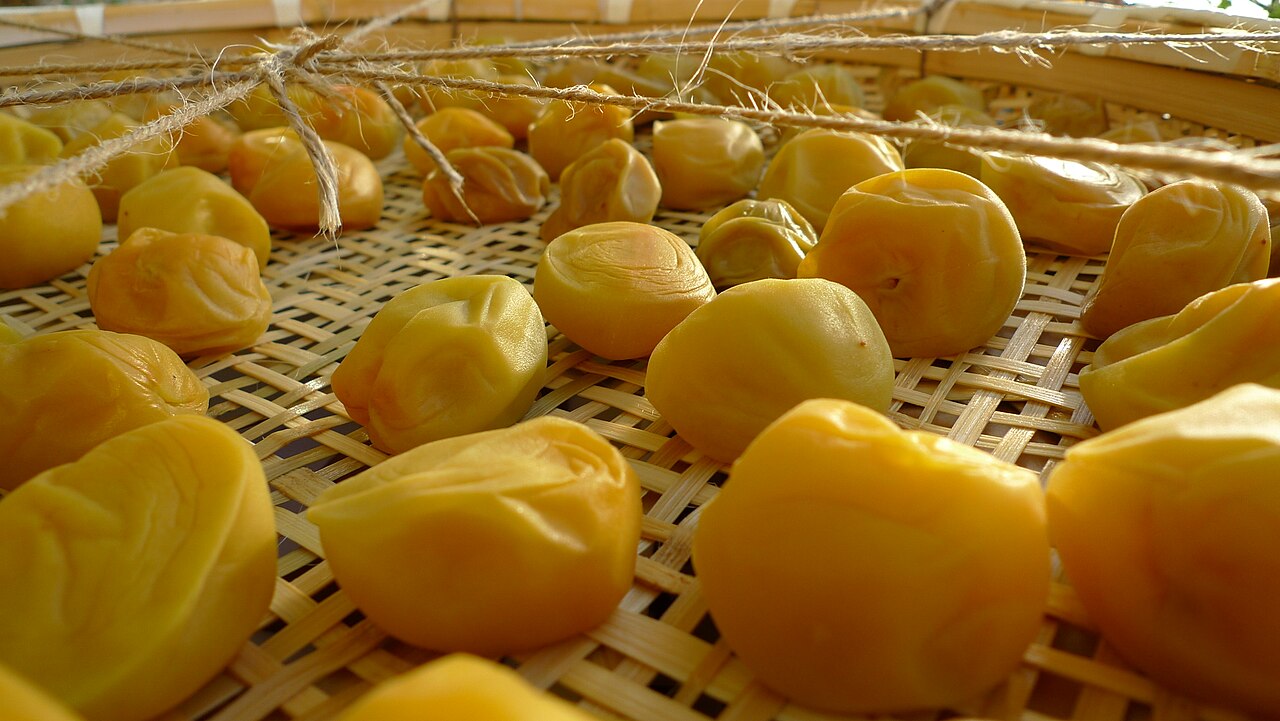
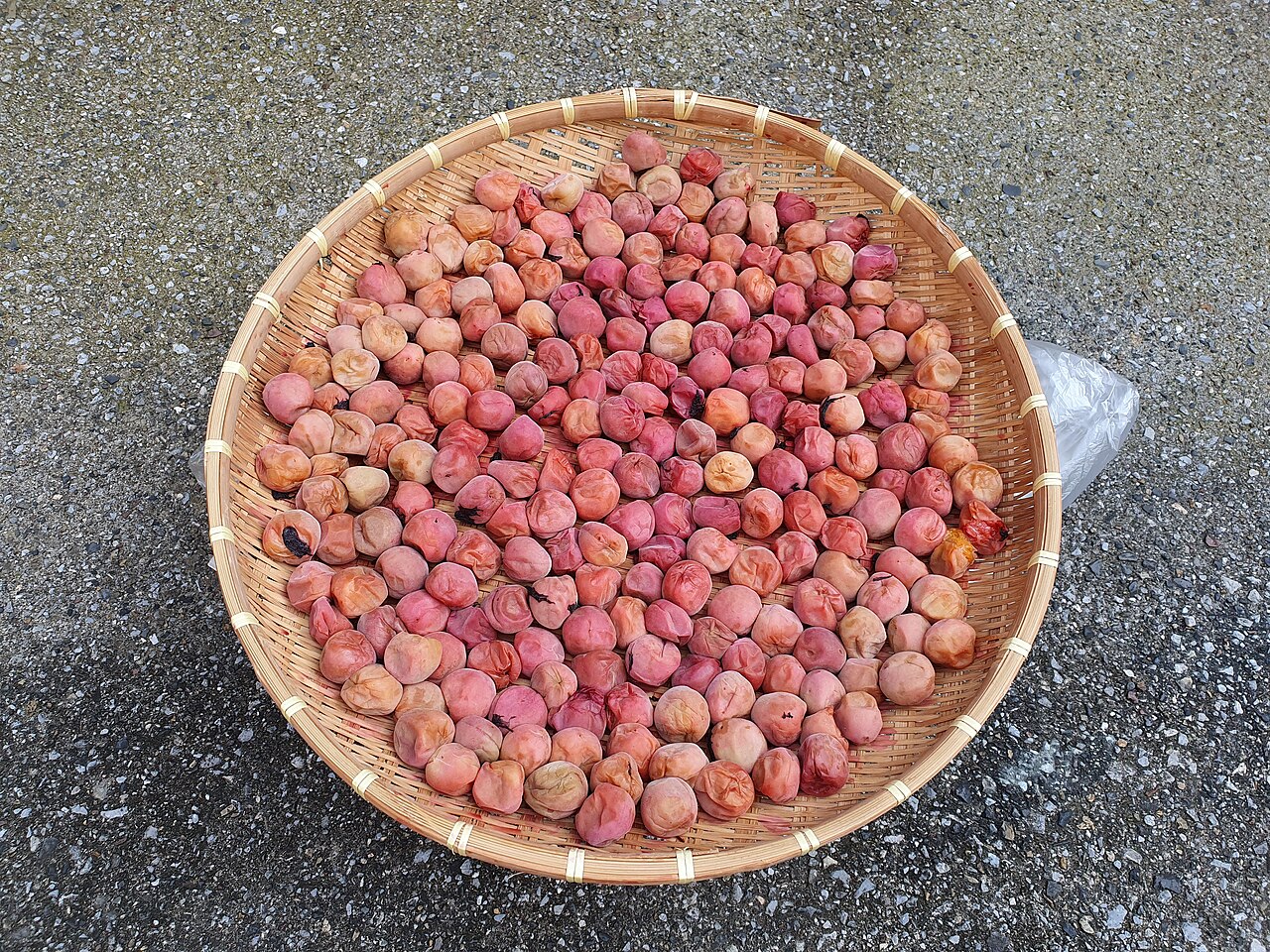
Umeboshi in a gift box suit a formal present. Products that clearly state the region and variety, such as large Kishu Nanko ume, are easy to explain. Individually wrapped umeboshi are easy to store and enjoy little by little.
For someone watching their health: check the salt
Salt levels vary greatly with the pickling method. Traditional salt-only umeboshi are saltier; honey-seasoned and low-salt types contain less. Check the salt equivalent on the nutrition label. See "Shirabōshi, Shiso or Honey? How to Choose Umeboshi" for details.
When sending honey umeboshi or other honey products to a family with a baby, add a short note. Japan's Ministry of Health, Labour and Welfare advises not to give honey or foods containing honey to babies under one year old, to prevent infant botulism.
For someone who enjoys a drink: umeshu
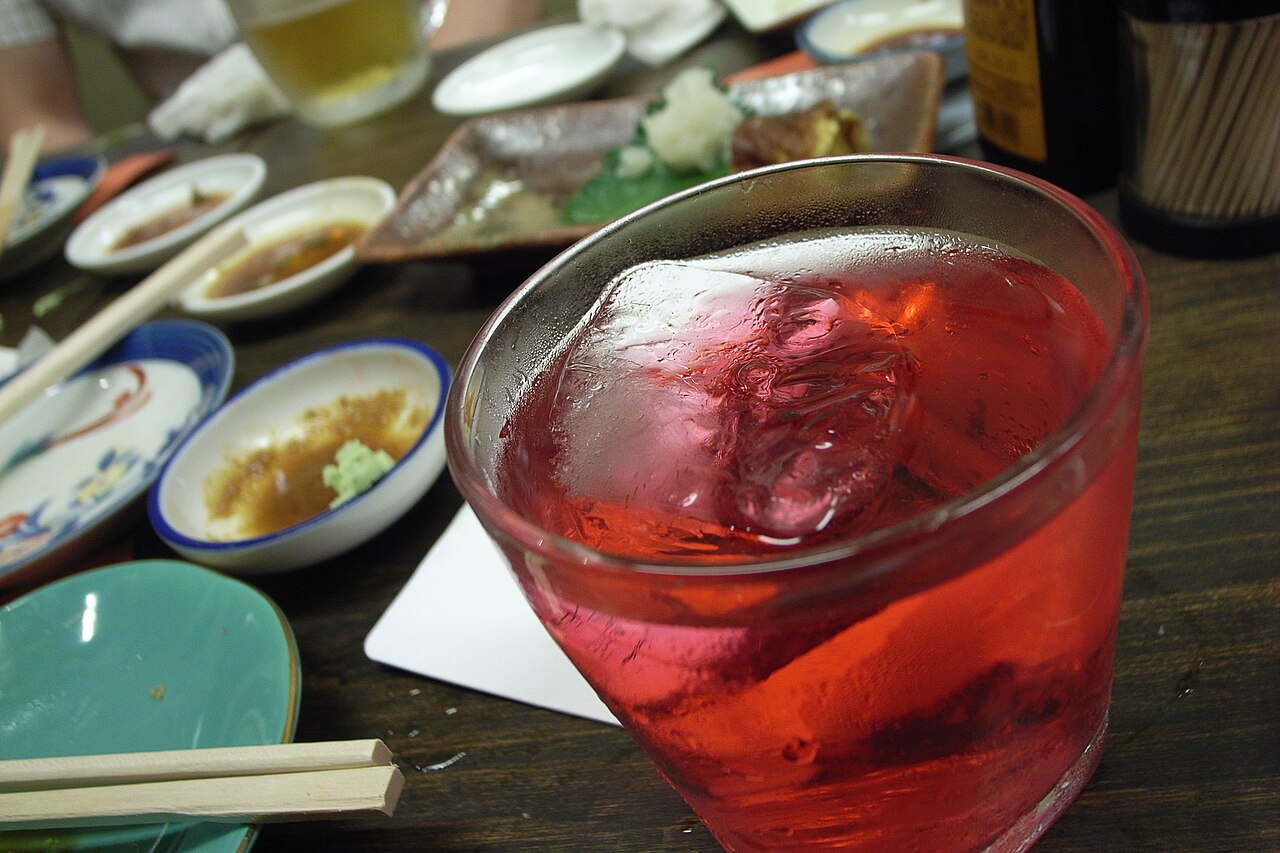
Umeshu makes a good gift for people who enjoy alcohol, and it is lovely mixed with hot water in winter (see "Four Ways to Enjoy Umeshu"). Some people do not or cannot drink, so choose it when you know their preferences.
For the whole family: assortments and sweets
For larger families, an assortment of salt-only, shiso and honey umeboshi, or ume sweets such as ume jelly, lets everyone find a favourite.
Checklist before sending
- Timing: arrange delivery for mid-December (if it will arrive after New Year, label it "Onenga")
- Wrapping: red-and-white bow knot, labelled "Oseibo"
- Salt: check the salt equivalent for health-conscious recipients
- Honey: tell families with a baby under one whether it contains honey
- Best-before date and storage: these differ by product, so check the label
You can also browse ume gifts in our ume products guide.
Products related to this article