Culture & History
Ume Beyond Japan: Suanmeitang in China, Crispy Plums in Taiwan, Maesil-cheong in Korea
Japan is not the only place that loves ume. A Beijing summer drink made from smoked plums, plum treats from a Taiwanese mountain town, and Korea's homemade plum syrup.
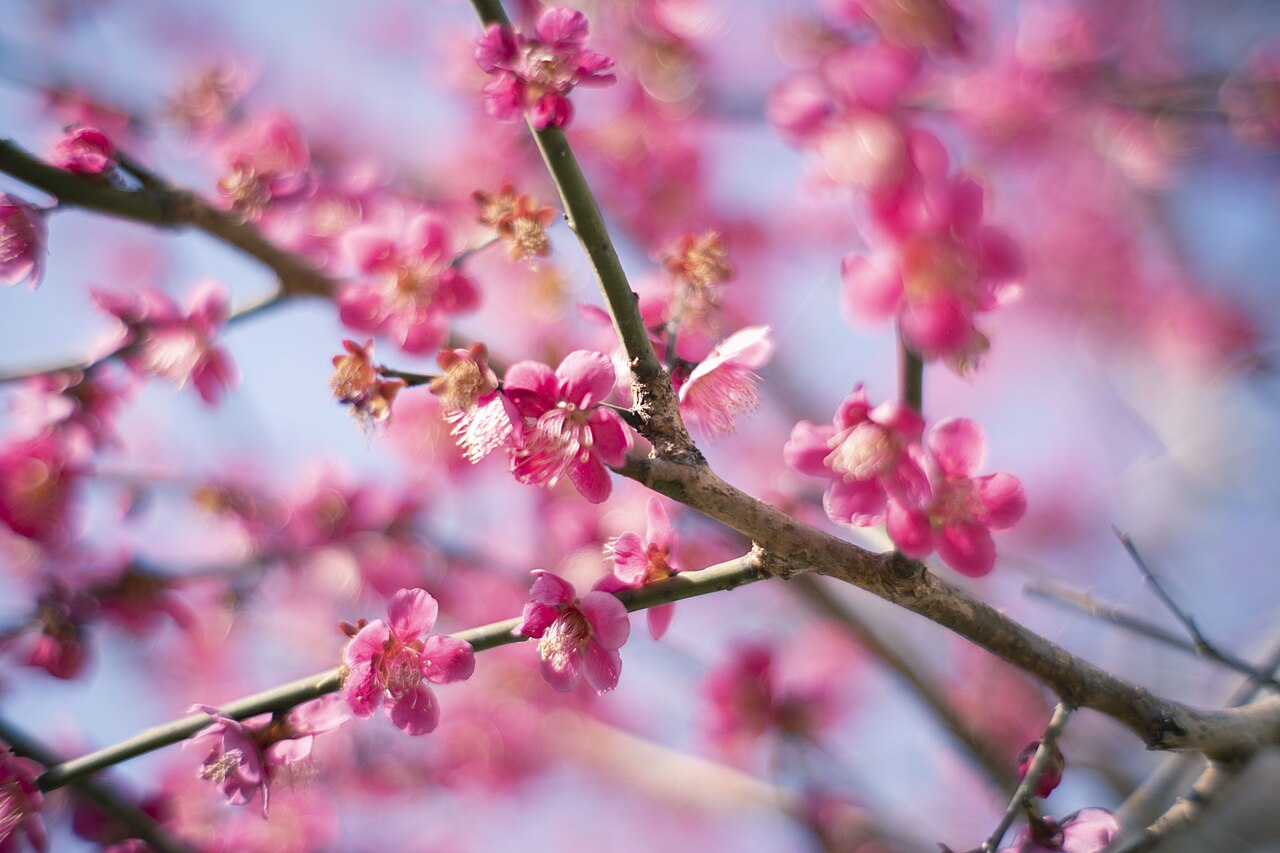
Ume are thought to have come to Japan from China, and across East Asia each place has developed its own ways of enjoying them. Here are some ume products from outside Japan.
China: suanmeitang, Beijing's summer classic
Suanmeitang (酸梅湯) is a sweet-and-sour cold drink. According to a Beijing Daily article republished on the Beijing municipal government's website, the usual ingredients are wumei (smoked ume), hawthorn, licorice, osmanthus and sugar, with wumei as the main ingredient.
Wumei (烏梅) are ume smoked until black. The same article cites the ancient Chinese herbal Shennong Bencao Jing, which describes ume picked in the fifth month and smoked black over burning herbs.
Suanmeitang became a popular drink in the Qing dynasty, and Beijing is regarded as its home. Besides the homemade kind, there are bottled versions and products you mix with water.
Taiwan: plum treats from Xinyi, Nantou
Xinyi Township in Nantou County, central Taiwan, is known as the home of green ume and is one of Taiwan's top three producers (Taiwan Ministry of Agriculture food education site). The Xinyi Farmers' Association's "Plum Dream Factory" (梅子夢工廠) sells products such as these (from the Taiwan Ministry of Agriculture's rural travel site):
- Candied plums: aged plums, shiso plums, crispy plums (脆梅), chewy "Q" plums and more
- Health products: plum extract (梅精), plum vinegar, smoked-plum drink
- Snacks and drinks: plum-extract candy, plum jelly and locally made plum wines
Their huamei (話梅) can also be steeped in cold or warm water to make a drink.
Korea: homemade maesil-cheong
In Korea ume are called maesil (매실). Maesil-cheong (매실청) is a syrup made by mixing ume with sugar and leaving them for about 100 days. To prevent fermentation, at least as much sugar as fruit is used.
Mixed with hot or cold water, it becomes maesil-cha (plum tea), and it is also used to sweeten cooking — very similar to Japanese ume syrup.
Compared with Japan
In Japan, salted umeboshi are the classic. In China the star is smoked ume, in Taiwan sweet candied plums, and in Korea sugar syrup. If you see them on your travels, give them a try.
Find Japanese ume products on our ume products page.
Products related to this article