Culture & History
A House That Kept Its Umeboshi for 450 Years: The 1576 Umeboshi of the Nakake Residence, Nara
The Nakake Residence in Ando, Nara, has kept umeboshi said to have been pickled in 1576. Here is its story, including the 2024 fire.
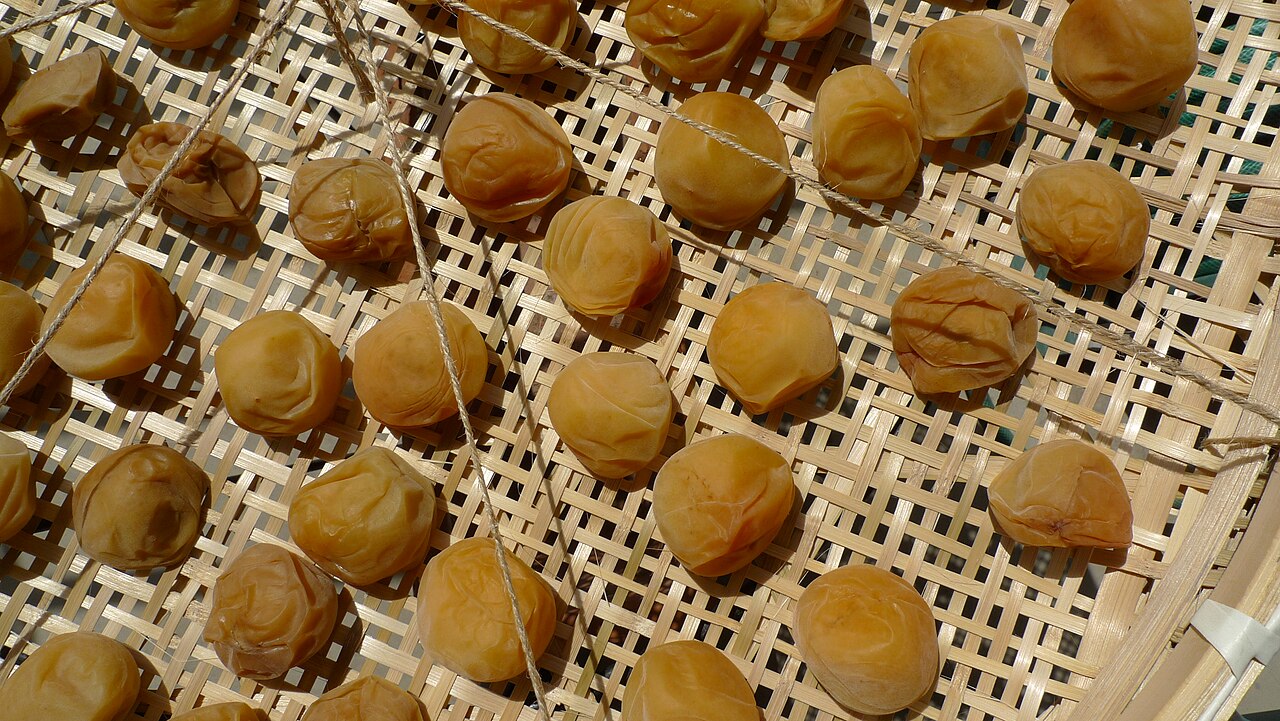
The Nakake Residence (中家住宅) in Ando, Ikoma District, Nara Prefecture, is a National Important Cultural Property. It has kept umeboshi said to have been pickled in 1576 (Tenshō 4), together with their jar — about 450 years ago, near the end of Japan's Warring States period.
The Nakake Residence
The estate is surrounded by a double moat, and the thatched main house dates from the early Edo period. Nara Prefecture describes it as a rare surviving example of a medieval fortified residence that should be handed down to future generations. Buildings including the main house and the front gate are designated National Important Cultural Properties.
Nara Prefecture's page says that umeboshi pickled about 400 years ago are kept at the house and can be viewed.
Why umeboshi keep so long
Umeboshi are ume salted and then dried. According to the Standard Tables of Food Composition in Japan, traditional salted umeboshi contain 18.2 g of salt equivalent per 100 g of edible part — a very salty food.
The 2024 fire
On 29 July 2024, a fire started by burning dry grass at a nearby house spread to the thatched roof of the main house.
According to the residence's crowdfunding page, the fire and the water used to put it out caused considerable damage to the 1576 umeboshi, the jar and the family's belongings. The family asked for support to restore the house, and many people responded.
Before you visit
We could not confirm whether visits are accepted since the fire. Please contact the Nakake Residence before visiting (phone +81-743-57-2284, as listed by Nara Prefecture).
Products related to this article