Column
Make Your Own Umeshu and Tour an Umeboshi Factory: Ume Sonare OARAI and Other Ume Experiences in Japan
Ume Sonare OARAI, an ume experience park in Oarai run by a long-established umeboshi maker, plus CHOYA's ume shops in Kyoto and Kamakura and factory tours in Minabe, Wakayama.
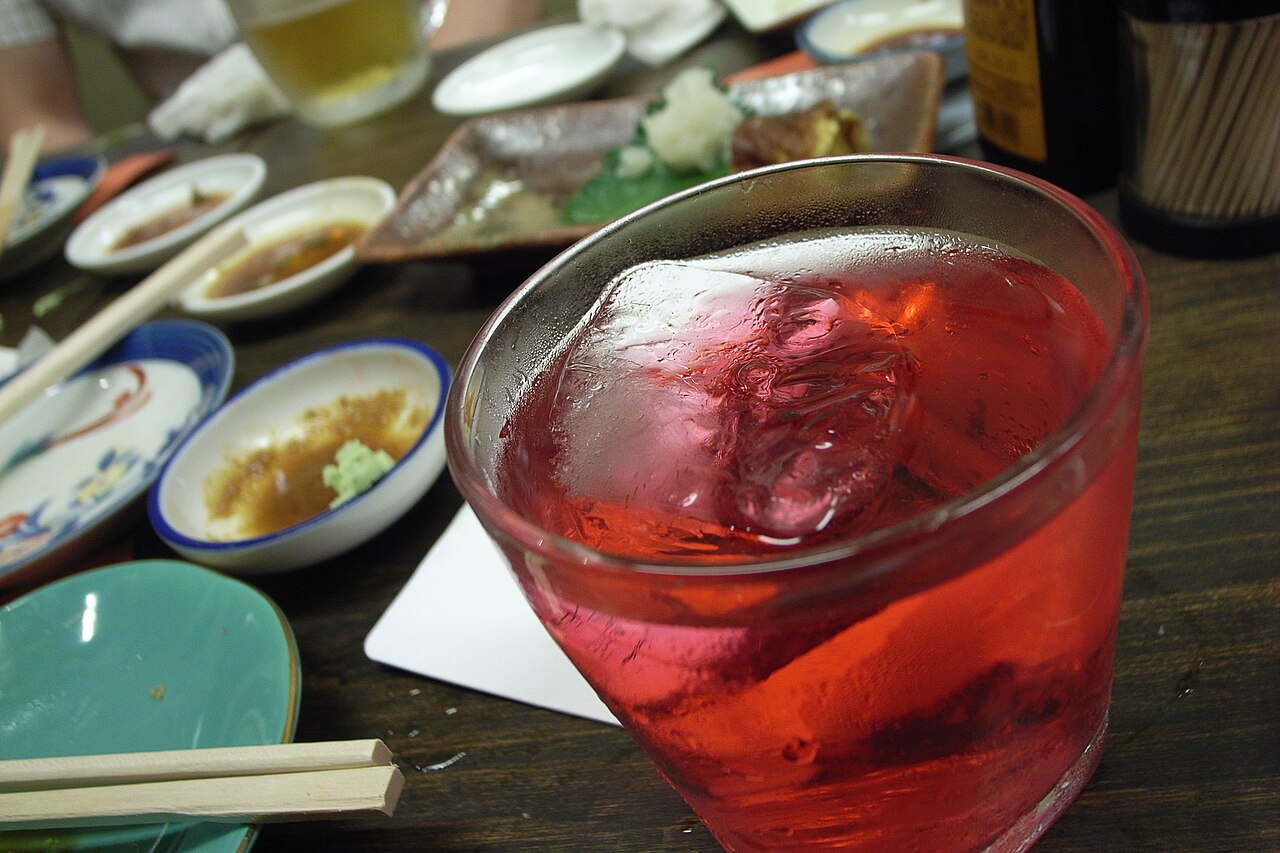
Ume is not only for looking at and eating. You can also make your own ume drinks and watch umeboshi being made. Ume Sonare OARAI in Oarai, Ibaraki, is an ume experience facility opened by a long-established umeboshi maker. Here it is, along with other places across Japan where you can steep ume or tour a factory. Prices and opening days change, so check each facility's official information before you go.
Ume Sonare OARAI (Oarai, Ibaraki)
Run by Yoshidaya, an umeboshi shop founded in 1830, it calls itself Japan's first "ume experience park". It opened in 2023.
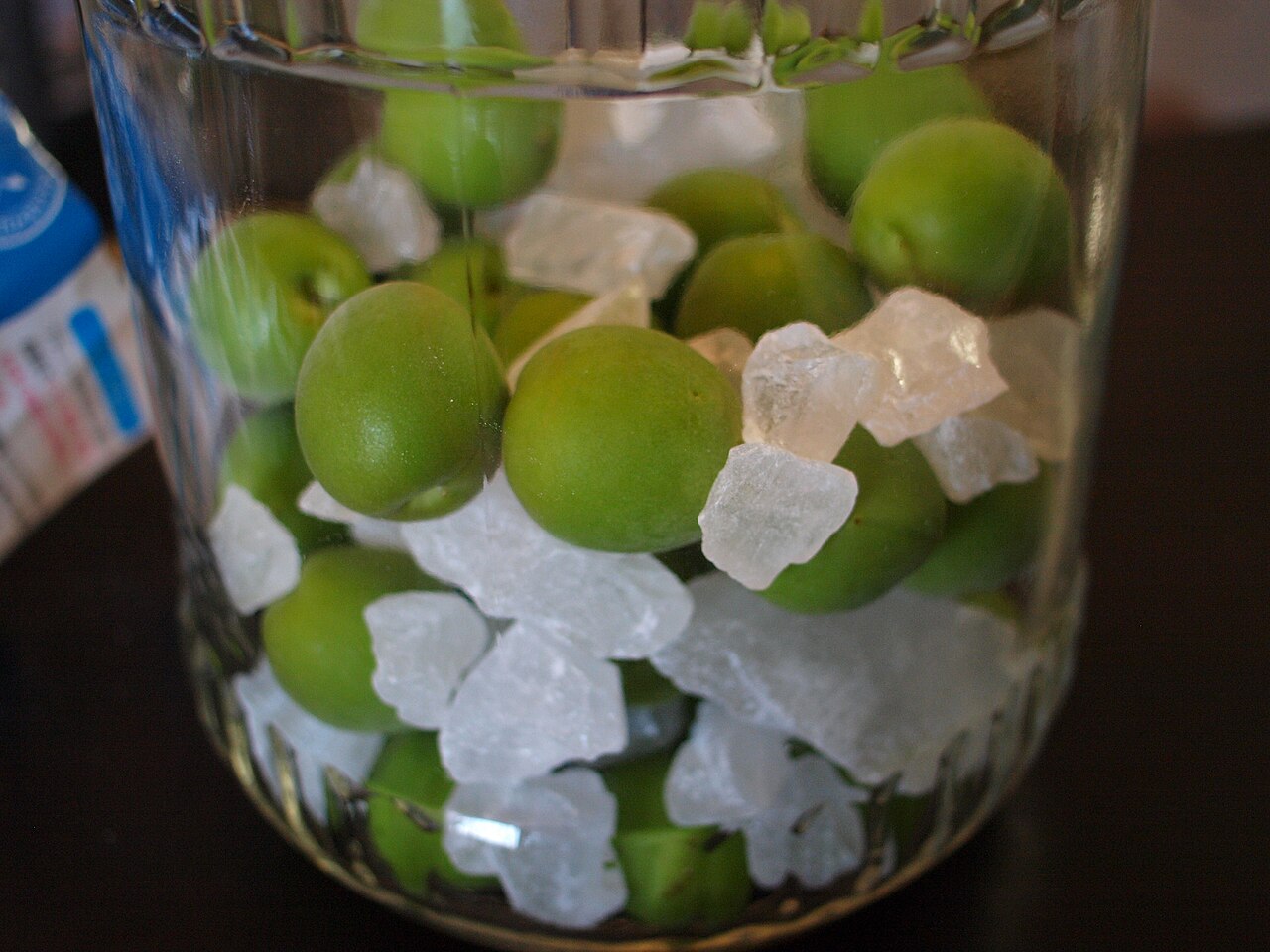
- Make umeshu or ume syrup: choose the ume, sugar and alcohol and steep your own bottle. The official site says there are up to 125 combinations. A JR East article (updated March 2025) lists ume syrup from ¥2,200 and umeshu from ¥2,640 (M size), about 40 minutes, reservation required.
- Ume drinks: a food truck in the courtyard serves ume juice and more, with 8 syrups to choose from.
- Coming next: an ume grove and a factory viewing corridor are planned for completion in 2027 (official site), with seasonal activities such as blossom viewing, harvesting and pruning.
- Hours: 10:00–17:00 (last order 16:00), closed Wednesdays.
- Access: from Oarai Station, about 20 minutes by loop bus to "Yakuba Iriguchi", then about 5 minutes on foot. By car, about 10 minutes from Mito-Oarai IC.
Blossoms are a winter-to-spring thing, but steeping ume is an early-summer job, when green ume are in season. You could see Kairakuen in bloom and come back to Oarai in early summer to make your own.
More places to experience ume
CHOYA's ume experience shops "Choya" (Kyoto and Kamakura)
Run by the umeshu maker CHOYA, these shops let you make your own ume syrup or umeshu. There are three: Kyoto Rokkaku, Kamakura and Kyoto Sanjo.
- Reservation only. Kyoto Rokkaku and Kamakura take bookings on their reservation page from midnight two weeks ahead; no phone or email bookings (official site).
- The Kyoto Sanjo shop runs in English: ume syrup ¥4,900, umeshu ¥5,900, about 1 hour (official site).
- The Kamakura shop is a 1-minute walk from the west exit of Kamakura Station. No parking.
In Kyoto, pair it with the ume at Kitano Tenmangu or Jonangu.
Minabe and Tanabe (Wakayama)
Wakayama grows more ume than any other prefecture. Around Minabe Bairin, in Minabe and neighbouring Tanabe, several umeboshi makers let you look inside.
- Plum Kobo (Iwamoto Foods): free factory tour, about 20 minutes. Umeboshi making (Sept–May), ume jam and juice making (July–May), green ume picking (June) (Kinki Regional Agricultural Administration Office list).
- Kishu Umeboshi-kan: next to an umeboshi factory, where you can watch umeboshi being made up close. Free entry. Umeboshi, umeshu and ume juice making need booking by the day before (GLTJ facility guide).
- Kishu Ume-no-Sato Nakata (Nakata Foods): the head-office shop of an umeboshi and umeshu maker in Tanabe. Its official site describes it as a place for "tours, hands-on activities and shopping". 9:00–17:00, closed Wednesdays. Ask ahead about tours and activities.
- Michi-no-Eki Minabe Ume Shinkokan: a roadside station with an ume museum and local products. Free entry, 9:00–17:00, closed Tuesdays (open every day in February) (Wakayama Prefecture).
Factories do not run every day or in every season. If you want to see production, call ahead.
Before you go
- Umeshu making is for ages 20 and over. If you drove, wait until you are home to drink.
- You take your bottle home to let it mature. Bottles are heavy, so bring a bag if you are travelling by train.
- To make it at home, see Ume syrup with green ume and Four ways to enjoy umeshu.