Column
Plum Blossoms in February: A One-Week Japan Itinerary (Tokyo, Mito, Atami, Kyoto, Osaka)
A day-by-day plan through the best-known plum gardens around Tokyo and Kyoto, with hot springs and castles in between.
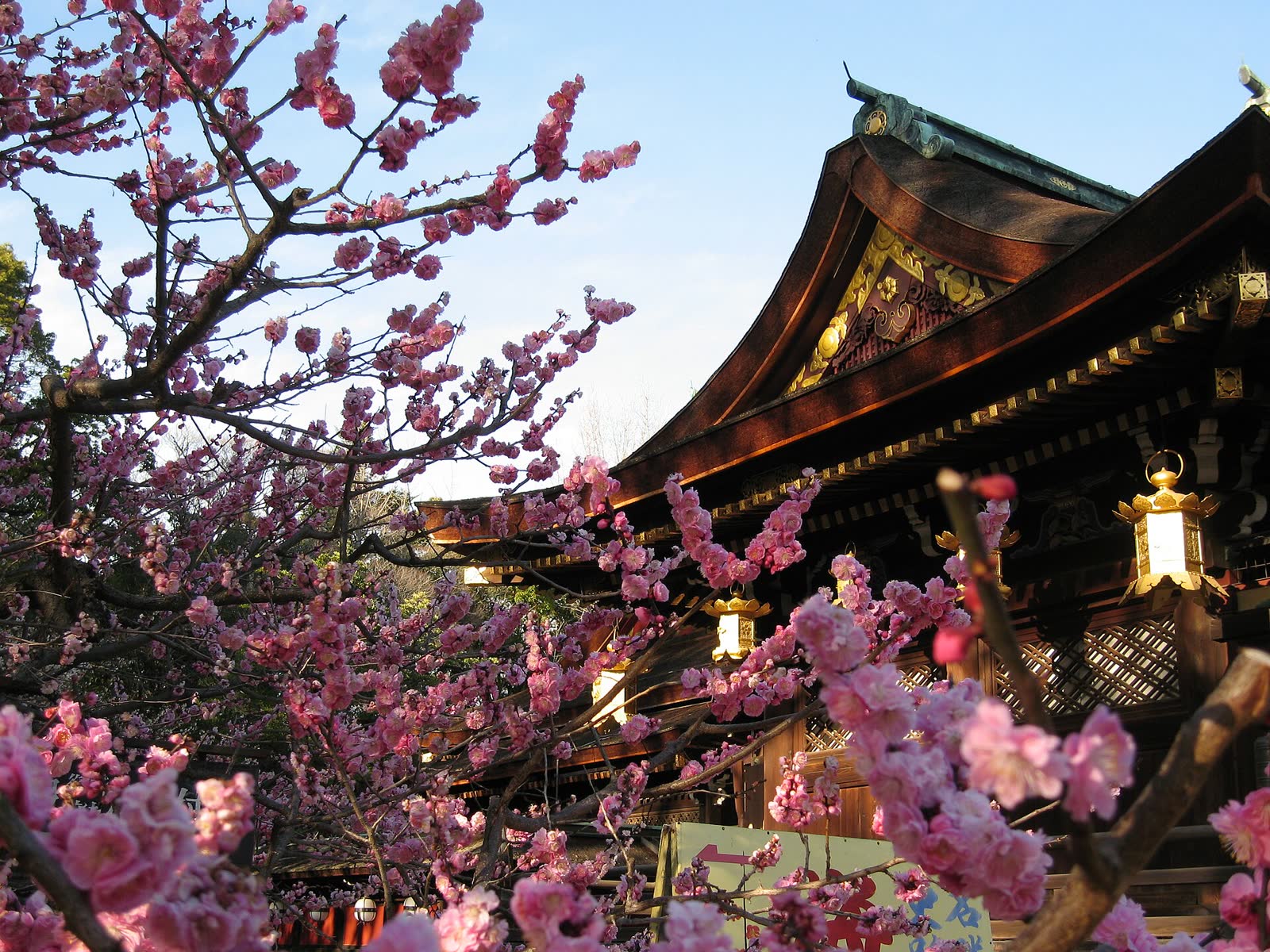
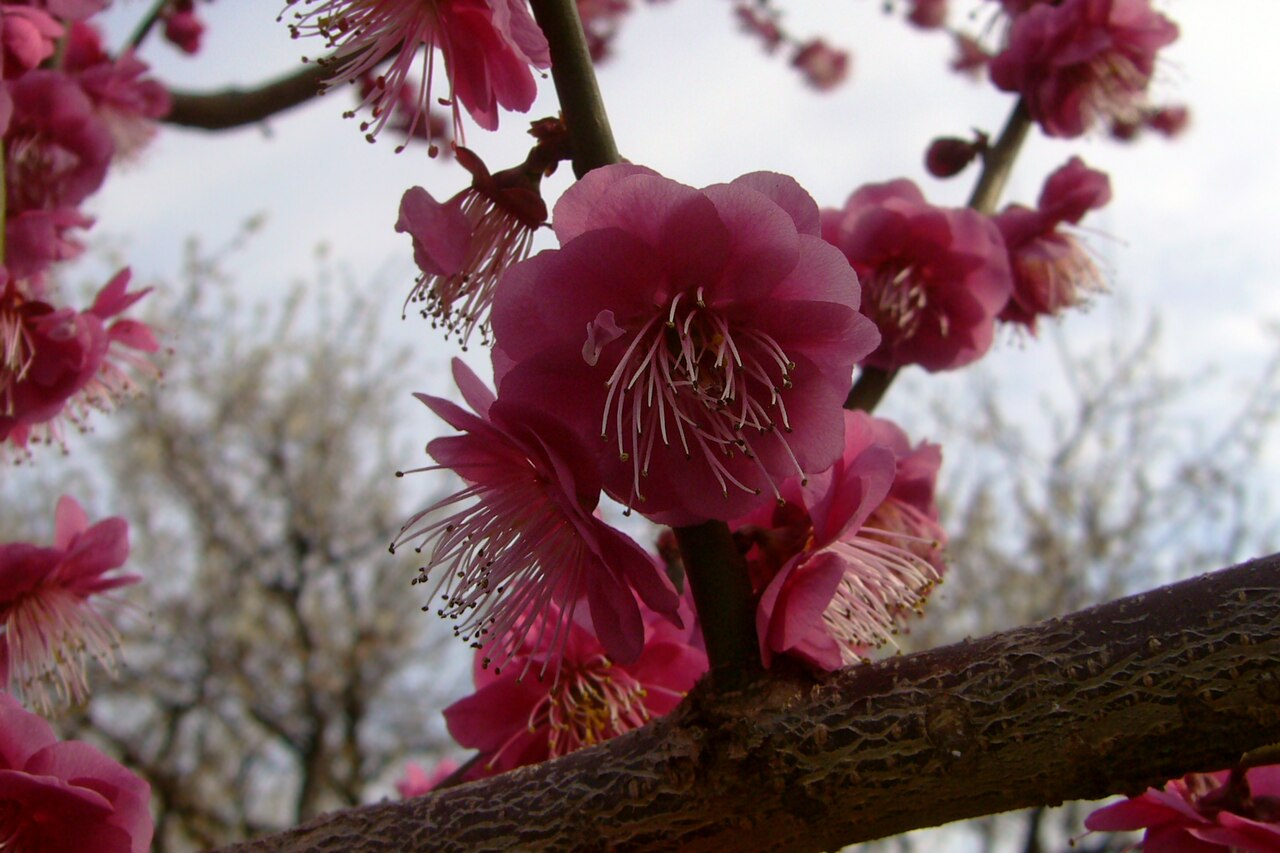
February is plum blossom month in Japan. This one-week plan links the best-known gardens around Tokyo and Kyoto, with hot springs and castles in between. It works for most of February and early March; for exact dates, check the bloom calendar and, from January, the bloom reports.
Travel between Tokyo, Atami and Kyoto is easiest by shinkansen. Opening hours, fees and bus routes below are those published by each garden; check them again before you go.
Day 1: Plum blossoms in central Tokyo
Start at Yushima Tenmangu Shrine, a shrine to Sugawara no Michizane, the patron of learning, with about 300 plum trees. It is about two minutes on foot from Yushima Station (Tokyo Metro Chiyoda Line), and the plum festival is held at the peak. Ueno is close by.
In the afternoon, go to Hanegi Park in Setagaya, five minutes from Umegaoka Station on the Odakyu Line. About 670 plum trees bloom from early February, and entry is free.
Day 2: Kairakuen Garden in Mito
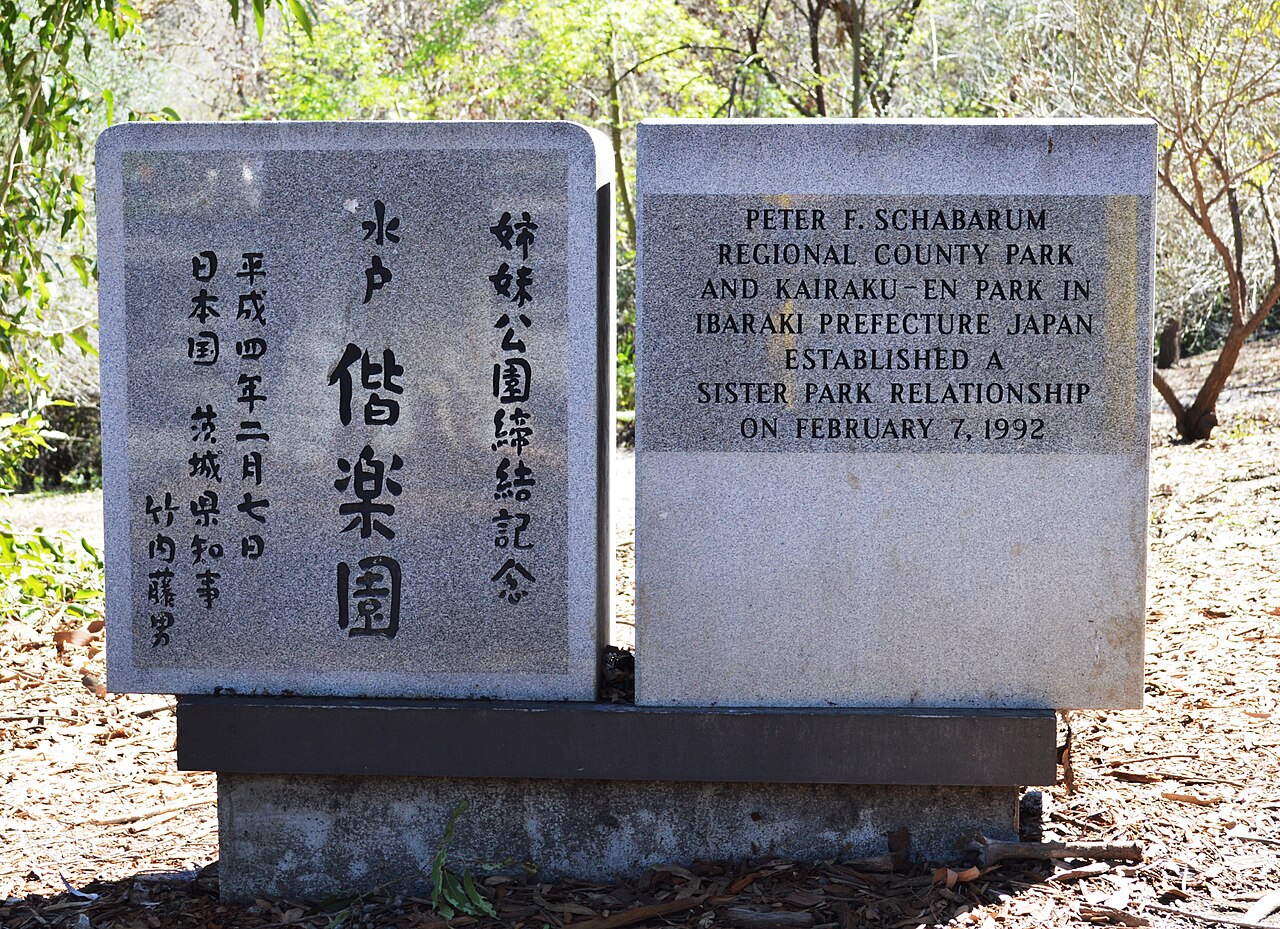
Kairakuen Garden, one of Japan's three great gardens, has about 3,000 trees of around 100 varieties. The Mito Ume Festival is held at the peak. Entry is free from opening until 9:00, so it is worth staying in Mito the night before: see Stay in Mito and visit Kairakuen in the morning.
From JR Mito Station, buses to Kairakuen take about 20 minutes. On festival holidays and some weekdays, trains also stop at the temporary JR Kairakuen Station (on trains towards Mito only).
Day 3: Soga Plum Grove and Odawara Castle
Back towards the west, Soga Plum Grove in Odawara spreads over three groves (Nakagawara, Hara and Bessho) with about 35,000 white plum trees, with Mt. Fuji behind them on a clear day. It is about 20 minutes on foot from Shimo-Soga Station (JR Gotemba Line). During the Odawara Ume Festival (in 2026, February 7 – March 1) entry is free, and Odawara Castle Park is also a festival venue.
Day 4: Atami Baien and a hot-spring night
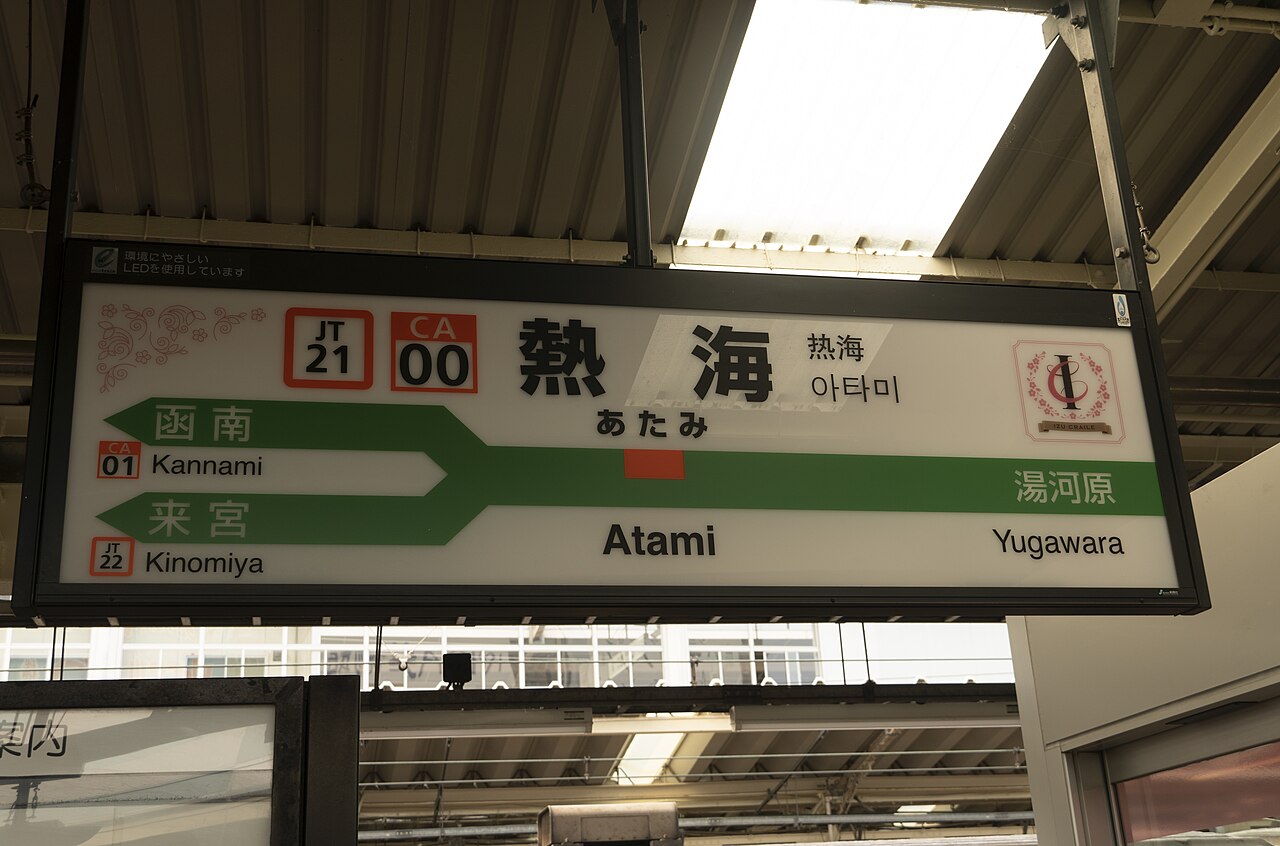
Atami Baien Plum Garden blooms from early January, so it is a good choice whatever the weather has done. It is about 15 minutes by bus from JR Atami Station, or 10 minutes on foot from Kinomiya Station. Stay the night in Atami, or nearby Yugawara, where Yugawara Plum Grove holds its Ume no Utage festival (February 6 – March 7, 2027). See An overnight stay for ume and hot springs.
Day 5: Kitano Tenmangu and Jonangu in Kyoto
Take the shinkansen to Kyoto. Kitano Tenmangu Shrine has about 1,500 plum trees, blooming from early February to late March. If you are in Kyoto on February 25, do not miss the Baika-sai plum festival, with an outdoor tea ceremony. The plum garden is paid (in 2026, adults ¥3,000 on the day).
In the afternoon, visit Jonangu Shrine in the south of the city, where about 150 weeping plum trees bloom in the garden. Its Weeping Plum and Camellia Festival is planned for February 18 – March 22, 2027 (adults ¥1,000 for the garden).
Day 6: Osaka Castle Park
Osaka Castle Park Plum Grove has 1,245 trees of 105 varieties (according to the Osaka Convention & Tourism Bureau), with the castle keep above them. Entry to the grove is free, and it is a short walk from Morinomiya or Osakajokoen stations.
Day 7: A plum village — Minabe or Tsukigase
For a final day among orchards, go south to Minabe Plum Grove in Wakayama, where Nanko ume are grown, with about 80,000 trees (best in February; see Stay in Minabe). In late February or March, Tsukigase Plum Grove in Nara has about 10,000 trees along a river valley, about 80 minutes by bus from Nara Station.
Before you go
- Plum blossoms bloom over several weeks, early, mid and late varieties in turn, so a garden is rarely "over" all at once.
- Festivals bring food stalls and local products: try umeboshi, ume sweets and umeshu (see Where to eat and buy ume in Japan).
- Places to stay near each garden are listed on every garden page of the plum blossom map.