Column (Last updated )
Ume Blossom Spots in Tohoku and Hokkaido
Blooming after the ume season in Kanto and Kansai has ended: discover Tohoku and Hokkaido's ume blossoms. Introducing 11 spots from Iwaki, Morioka, and Sendai to Sapporo and Lake Toya, with peak bloom periods, tree counts, and access info.
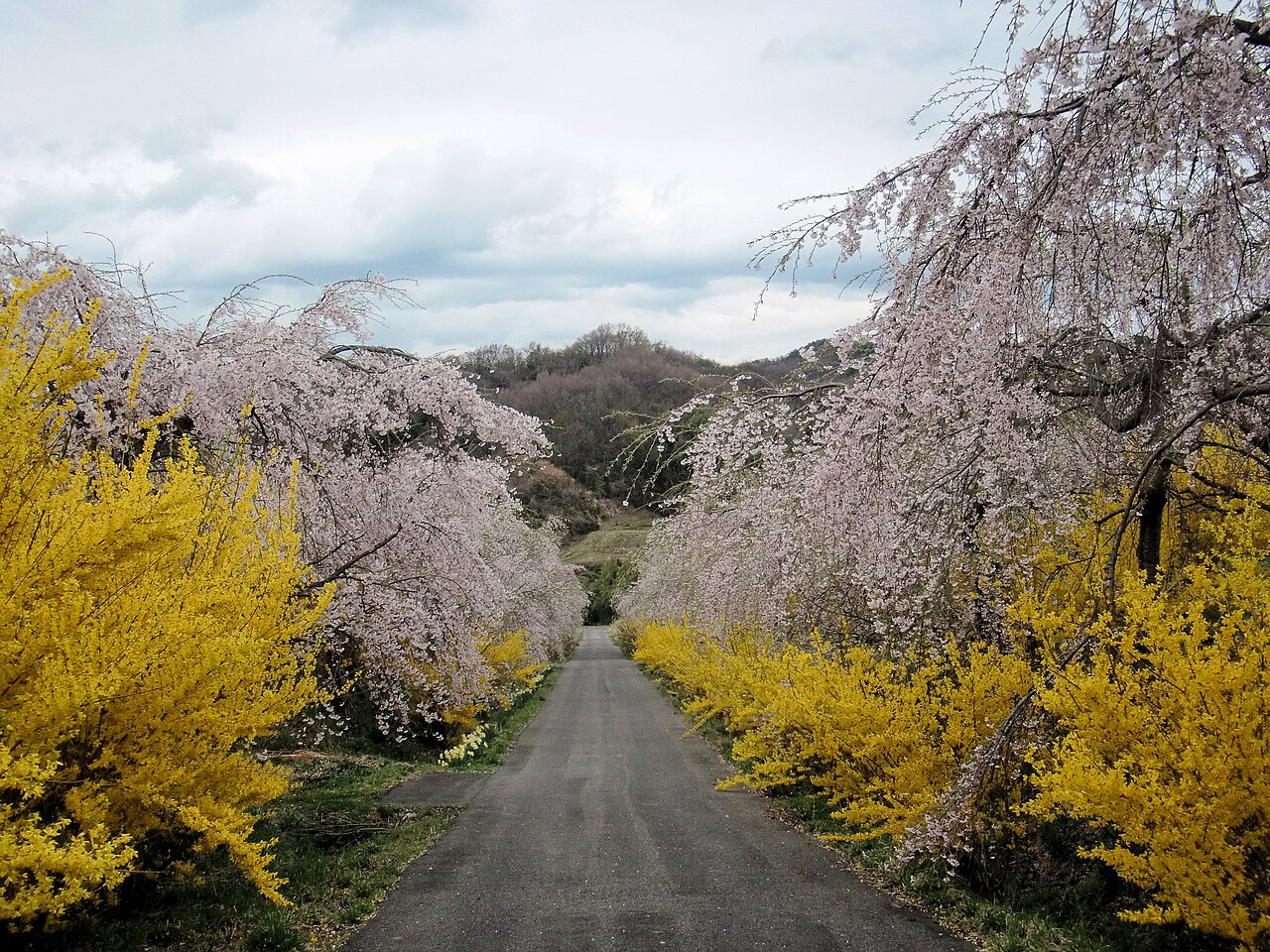
Ume blossoms in Tohoku and Hokkaido bloom 1 to 2 months later than in Kanto and Kansai. In Tohoku, they bloom from late March to April, while in Sapporo and Lake Toya, they bloom around early May—with some spots blooming alongside cherry blossoms. Here are 11 ume blossom spots in Tohoku and Hokkaido that you can enjoy after the season ends in Kanto and Kansai, listed in order of early blooming. Tree counts, peak periods, and access details are based on information from each spot's page. Peak bloom dates are typical estimates and vary depending on snowmelt and spring temperatures. Please check the blooming updates on each official website before heading out.
Quick Guide by Season
- Late February to March: Bairin-ji Temple in Iwaki, Fukushima Prefecture, is located in a warm Pacific coastal area and blooms around the same time as Kanto.
- Late March to early April: Morioka Castle Ruins Park, Sendai Agricultural Horticulture Center, and Yutagawa Onsen in Yamagata. Urban ume blooms across Tohoku.
- April: Kanabotoke Ume Park in Akita, Nishita Ume no Sato in Koriyama, Tsugaru Flower Center in Aomori, and Hamada Shinrin General Park in Akita City.
- Late April to May: Mamurogawa Park in Yamagata, Hiraoka Park in Sapporo, and Sobetsu Park overlooking Lake Toya. Here, ume and cherry blossoms bloom at the same time.
| Spot | Trees (approx.) | Typical Best Time | Admission |
|---|---|---|---|
| Bairin-ji Temple (Iwaki City) | 120 | Late Feb – Early Mar | — |
| Morioka Castle Ruins Park | 100 | Mar – Early Apr | — |
| Sendai Agricultural Horticulture Center Ume Grove | 125 | Late Mar – Early Apr | — |
| Yutagawa Onsen Bairin Park | 300 | Late Mar – Early Apr | Free |
| Kanabotoke Ume Park | 2,000 | Early Apr | — |
| Nishita Ume no Sato | 6,000 | April | — |
| Tsugaru Flower Center | 1,400 | Mid – Late Apr | — |
| Hamada Shinrin General Park (Ume Grove) | — | Late Apr | — |
| Mamurogawa Park | 450 | Late Apr – Golden Week | — |
| Hiraoka Park Ume Grove | 1,200 | Around early May | — |
| Sobetsu Park | 300 | Early – Mid-May | — |
"—" indicates unconfirmed details.
Late February – March: Tohoku's Earliest Ume
Bairin-ji Temple (Iwaki City, Fukushima)
True to its name ("Plum Grove Temple"), this Shingon Buddhist temple features a grove of around 120 red and white ume trees on its grounds. According to Iwaki City tourism guides, peak bloom is typically from late February to early March, flowering exceptionally early for Tohoku. It is about a 5-minute drive (approx. 20-minute walk) from JR Yumoto Station, or about 15 minutes from the Joban Expressway Iwaki-Yumoto IC.
Late March – Early April: Urban Blooms
Morioka Castle Ruins Park (Morioka City, Iwate)
A park set on the former grounds of Morioka Castle, featuring around 100 trees including Bungo-ume, weeping ume, and white ume that bloom through early April. From Morioka Station, take the Morioka downtown loop bus "Dendenmushi" to reach the park vicinity.
Sendai Agricultural Horticulture Center Ume Grove (Sendai City, Miyagi)
An ume grove planted with over 125 trees spanning about 60 varieties. The "Ume Viewing Gathering," held since 1977, takes place annually from late March to early April. From Arai Station on the Tozai Subway Line, take a city bus bound for Earthquake Disaster Ruins Sendai City Arahama Elementary School and get off at "Nogyo Engei Center-mae." By car, it is about 10 minutes from Sendai-Higashi IC. Opening hours are 9:00 to 17:00 from March to October.
Yutagawa Onsen Bairin Park (Tsuruoka City, Yamagata)
Around 300 red and white ume trees bloom on a hill overlooking the hot spring town of Yutagawa Onsen, which has a 1,300-year history. The best time to visit is late March to early April. During the ume festival, an open-air tea ceremony (nodate) is hosted by the onsen inn proprietresses (okami). Free admission. About a 10-minute drive from Yamagata Expressway Tsuruoka IC, or about 18 minutes by car from JR Uetsu Main Line Uzen-Mizusawa Station.
April: Snow Country Ume
Kanabotoke Ume Park (Mitane Town, Akita)
Covering 5.3 hectares with about 2,000 ume trees, this is Akita Prefecture's largest ume park. Five varieties are grown: "Togoro," "Koshi no Ume," "Shirakaga," "Bungo," and "Nanko-ume." Fitting for snow country, peak bloom occurs in early April, featuring an ume-viewing gathering in spring and ume harvesting/sales in summer. For inquiries, contact the Mitane Town Agricultural Public Corporation.
Nishita Ume no Sato (Koriyama City, Fukushima)
An ume village planted since around 1989; Koriyama City guides report around 6,000 ume trees growing here. The "Ume no Sato Festival" is held every April. The local "Nishita Ume Processing Group" makes umeboshi and crunchy pickled plums (karikari-zuke) with fruit harvested on-site. The entrance is located about 1.5 km east of the Nishita Fureai Center.
Tsugaru Flower Center (Goshogawara City, Aomori)
Situated on a small mountain at an altitude of 142 meters, this park features an ume grove of around 1,400 trees across 7 varieties. Highlights include views overlooking snow-capped Mount Iwaki and downtown Goshogawara. Tourism guides note peak bloom typically occurs from mid to late April. Parking is available.
Hamada Shinrin General Park Ume Grove (Akita City, Akita)
A 107-hectare forest park developed to commemorate the 80th anniversary of Akita's municipal system. White and red ume bloom within the grove, peaking in late April. Enjoy walking through the trees along roughly 3 km of trails. Open from April to November, 9:00 to 17:00 (closed for winter from December to March). About a 10-minute drive from JR Araya Station.
Late April – May: Ume and Cherry Blossoms Blooming Together
Mamurogawa Park (Mamurogawa Town, Yamagata)
A park planted with around 450 ume trees, where ume and cherry blossoms bloom together after the long winter. Peak season runs from late April through Golden Week. It serves as the main venue for the Mamurogawa Ume Festival, featuring flower-viewing gatherings and stage events. A 10-minute walk from JR Mamurogawa Station.
Hiraoka Park Ume Grove (Sapporo City, Hokkaido)
Sapporo's premier ume spot, featuring around 1,200 ume trees planted across a 6.5-hectare grove. According to park information, ume here bloom around early May and can be enjoyed for about two weeks from first bloom. In 2025, the "Hiraoka Ume Festival" was held from April 26 to May 11. Because it gets very crowded during the blooming season, please visit by public transit. From the bus terminal at Shin-Sapporo Station (Tozai Subway Line), take bus Shin 111 to "Hiraoka 6-jo 4-chome," or from Oyachi Station bus terminal take bus Dai 66 or Dai 67 to "Hiraoka 5-jo 6-chome" (both a 5-minute walk from the stop).
Sobetsu Park (Sobetsu Town, Hokkaido)
A park featuring about 300 Bungo-ume trees planted across roughly 20,000 m² of slopes overlooking Lake Toya. Ume and cherry blossoms bloom at the same time, offering views of Lake Toya and Mount Usu framed by blossoms. The best time to visit is typically early to mid-May. About 20 minutes from Do-O Expressway Date IC. Closed from November to mid-April.
Related Pages
Compare typical peak bloom times for each spot on the Bloom Calendar. For ume blooming in February and March, explore Day Trips for Ume Blossoms from Tokyo and Day Trips for Ume Blossoms from Kansai. First-time visitors can also check out our Beginner's Guide to Ume Blossom Viewing.