Recipe
Homemade Umeboshi for Beginners: The Basic Zip-Bag Method (20% Salt)
Basic umeboshi from 1 kg of ripe ume and 200 g of coarse salt, using zip bags — the method shared by Wakayama's agricultural cooperatives.
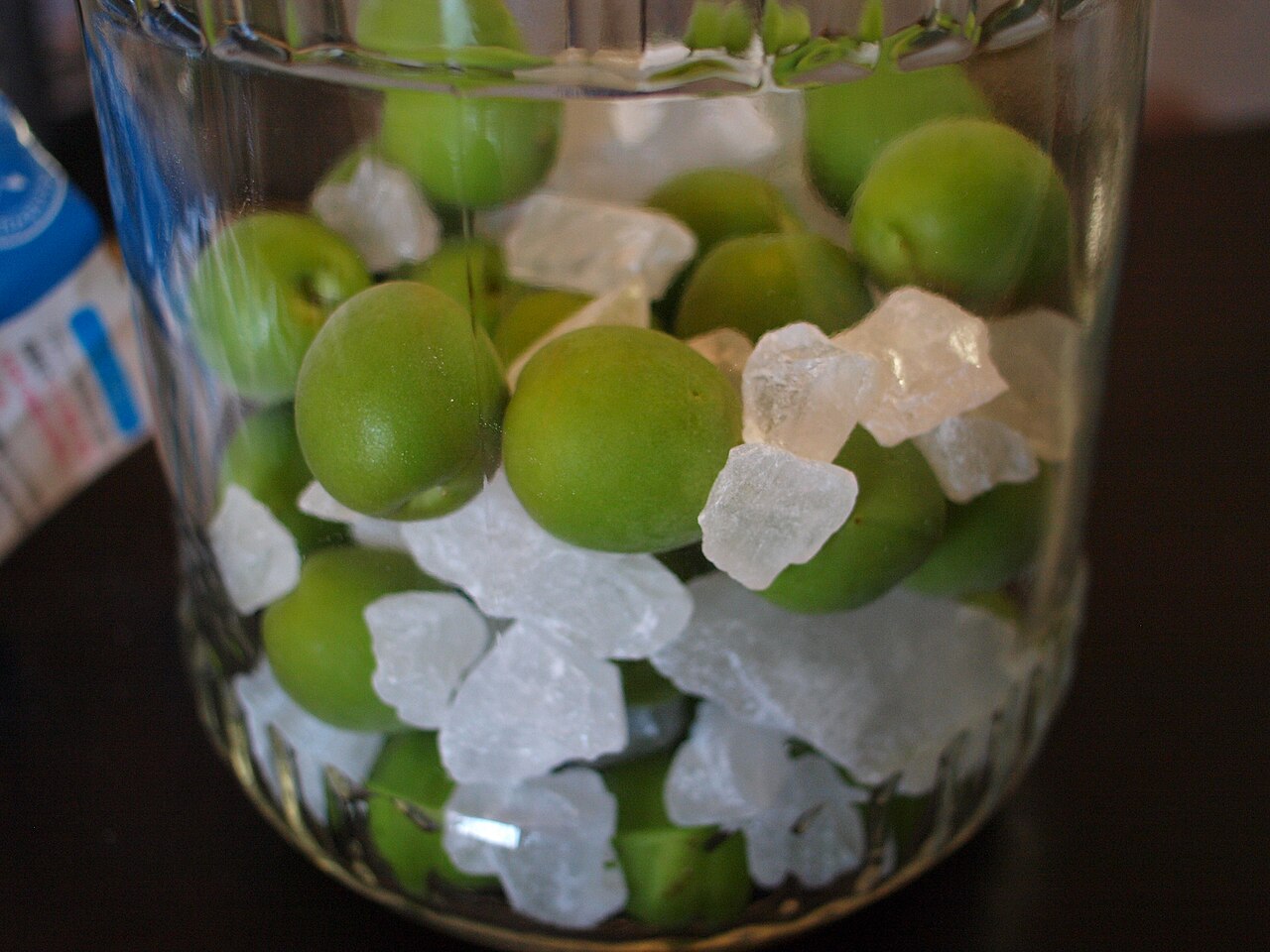
Umeboshi are made with yellow, ripe ume, in early summer (see our ume calendar). This is the zip-bag method from the Wakayama Prefectural Federation of Agricultural Cooperatives, published on the Ministry of Agriculture, Forestry and Fisheries' regional food site. You do not need a big barrel.
Ingredients (one batch)
- 1 kg yellow (ripe) ume
- 200 g coarse salt (20% of the weight of the ume)
- 2 heavy-duty zip bags that do not leak
- Shochu (35% alcohol or more) or vinegar, for wiping the bags
- A 1 kg weight (the same weight as the ume)
Method
- Rinse the ume lightly and drain them well.
- Wipe the inside of the bag with shochu (35% or more) or vinegar.
- Mix the salt and ume in the bag. When the salt is spread evenly, press out the air and seal the bag tightly.
- Put the bag inside the second bag, lay it flat on a tray so the weight presses evenly, and put the weight on top (the tray catches any leaks).
- After 2–3 days, ume vinegar (umezu) comes out; remove the weight. Let out any air that builds up.
- Pickling is done after about a month (it is fine to leave the ume in longer).
Sun-drying
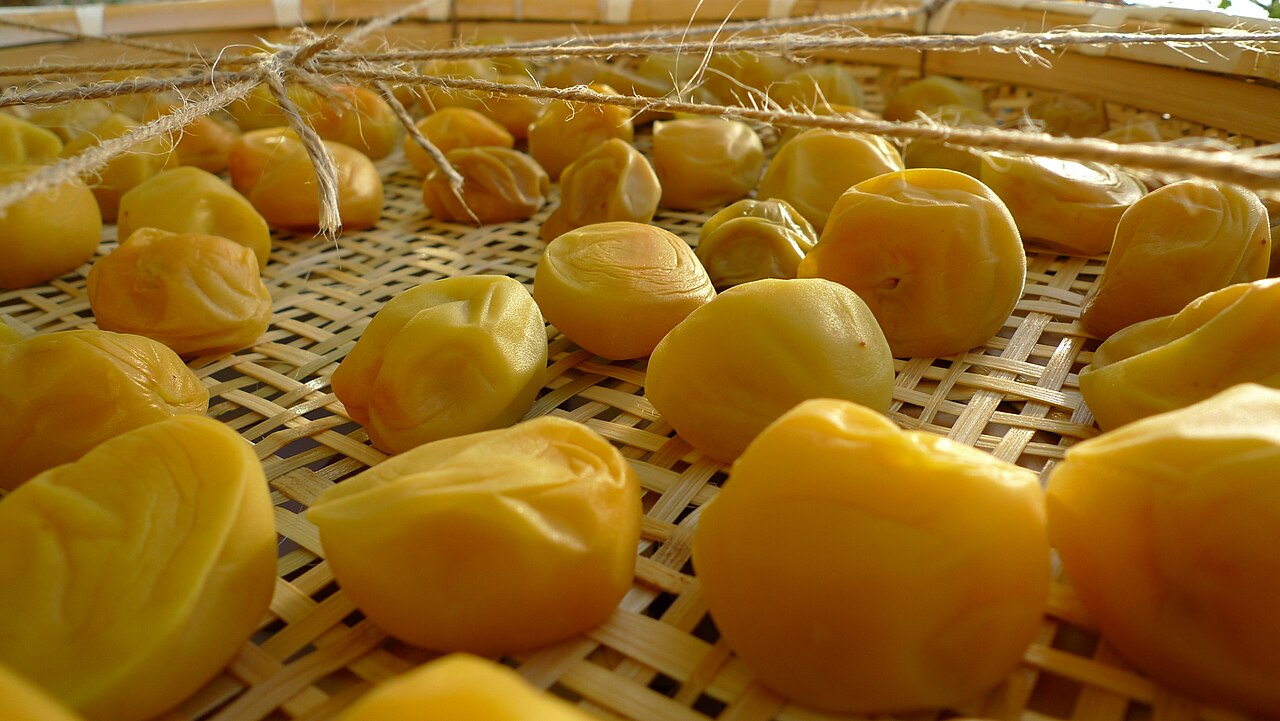
Wait for 3–4 days of sunny weather and dry the ume in the sun, turning them so the sun reaches every side. See our ume calendar for timing.
Do not cut the salt too much
A Ministry of Agriculture column says the key to success is keeping the salt at 20%: using less can make the batch fail, and the salt is what lets umeboshi keep for a long time. If you want less salt, it recommends removing some salt before eating (by soaking in water).
Add red shiso to make red, shiso-scented umeboshi. For other amounts of ume, see our quick amount chart.
Note: Do not eat green (unripe) ume raw. They contain natural cyanide compounds (Ministry of Agriculture, Forestry and Fisheries).
Ume products for this recipe