Column
Can You Eat the Kernel Inside an Ume Stone? Green Ume and Amygdalin
Why the white kernel inside an ume stone and raw green ume call for care — and why umeboshi and umeshu are considered fine in normal amounts.
When you finish an umeboshi and crack the hard stone, you find a white kernel inside. In Japan people have long been told not to eat it. Here is why.
The kernel and green ume contain amygdalin
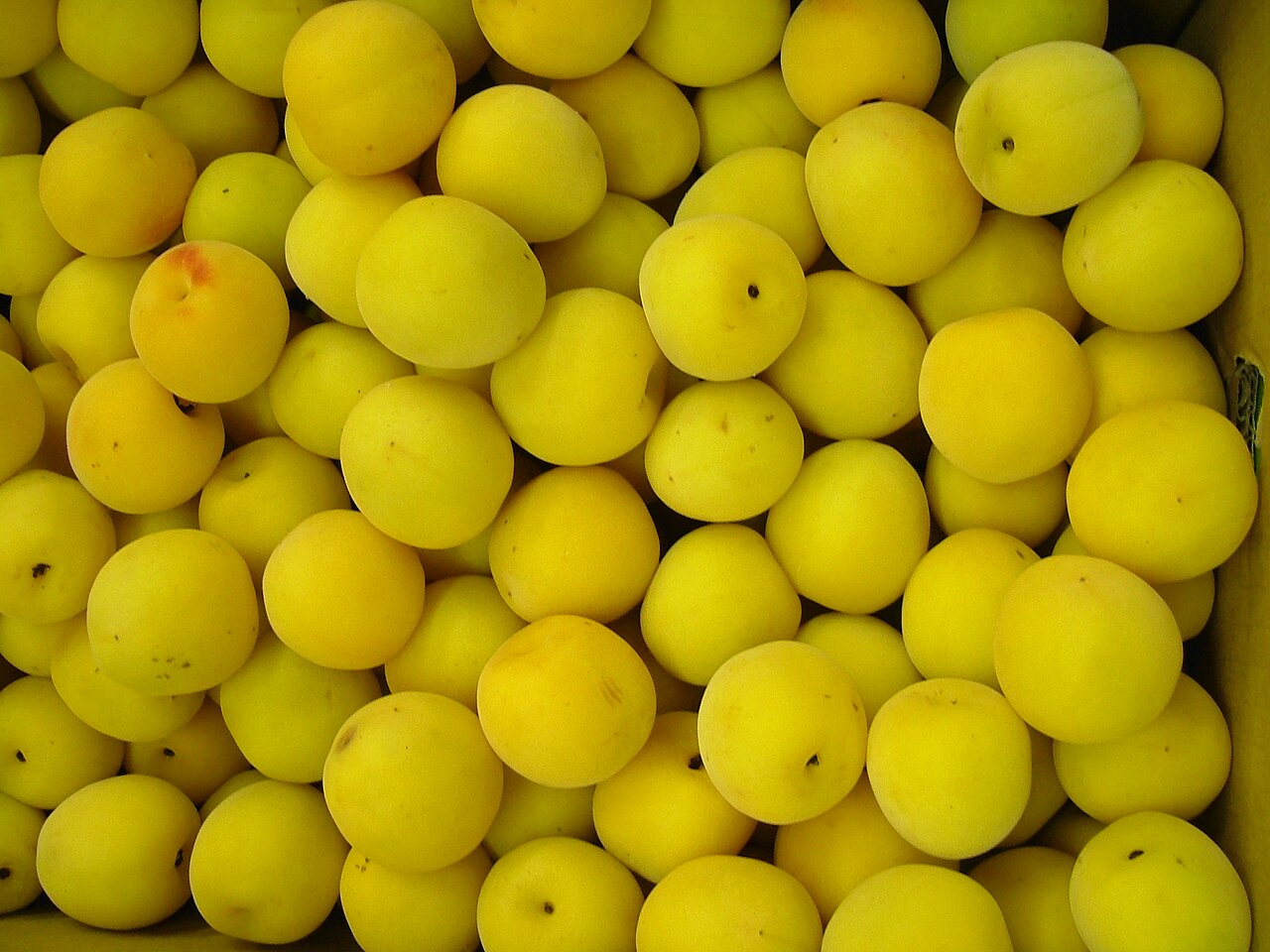
The kernel of the ume stone and unripe green ume contain amygdalin, a cyanogenic glycoside. When it is broken down by enzymes in the fruit or by bacteria in the human gut, it produces hydrogen cyanide, which can cause poisoning (Fukuoka Pharmaceutical Association).
The Tokyo Metropolitan Government lists the symptoms of poisoning from green ume as headache, dizziness, sweating, convulsions and difficulty breathing.
What about umeboshi and umeshu?
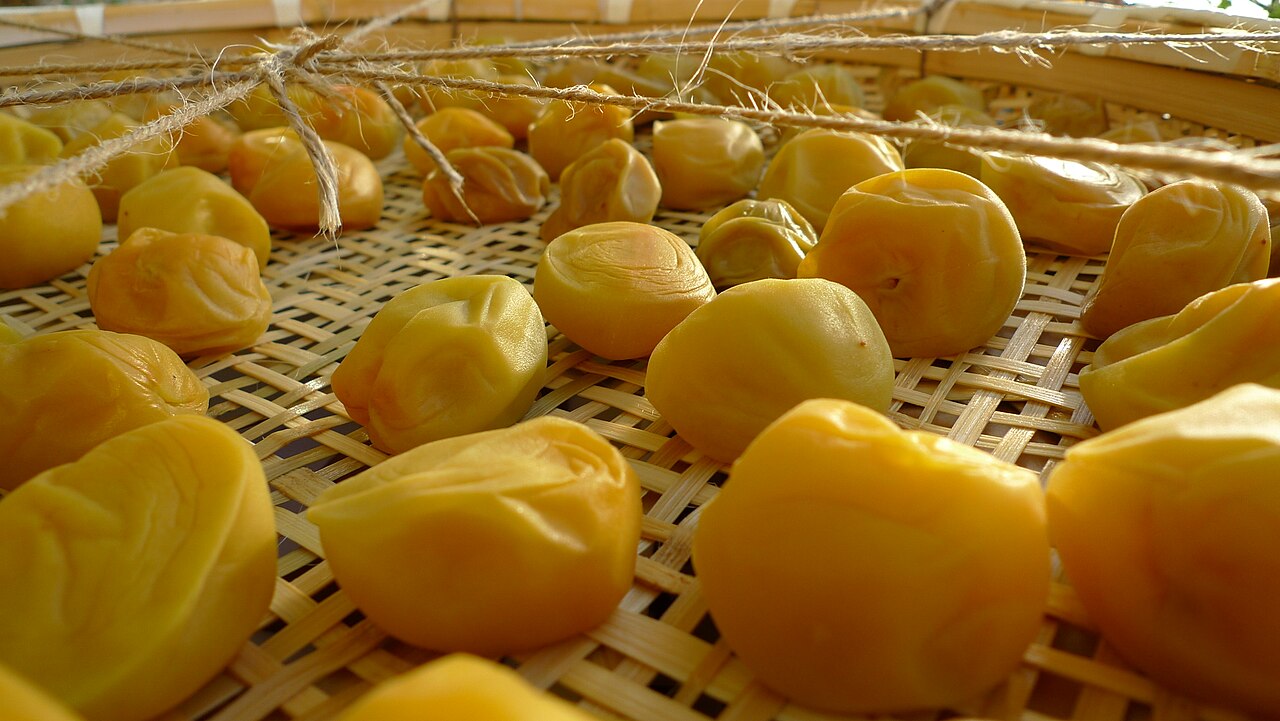
According to Japan's Ministry of Agriculture, Forestry and Fisheries, amygdalin is known to decrease when ume are processed into umeboshi or umeshu, so eating these foods in normal amounts is unlikely to harm your health. The ministry also advises not to eat raw green ume, and not to swallow the kernel if you accidentally bite through the stone.
In short
- Do not eat raw green ume.
- Do not crack the stone to eat the kernel; if you bite through it by accident, do not swallow it.
- Umeboshi and umeshu are considered low-risk in normal amounts.
During the ume-preserving season, raw ume sit in many kitchens. Tokyo also asks families to take care that children do not eat raw ume.
Products related to this article