Column
White Spots on Umeboshi: Salt Crystals or Mould? How to Tell, and What to Do
Most white spots on umeboshi are salt or citric acid crystals. How to tell them from mould, and what to do if mould appears while pickling — based on the Q&A of Tanabe, Wakayama.
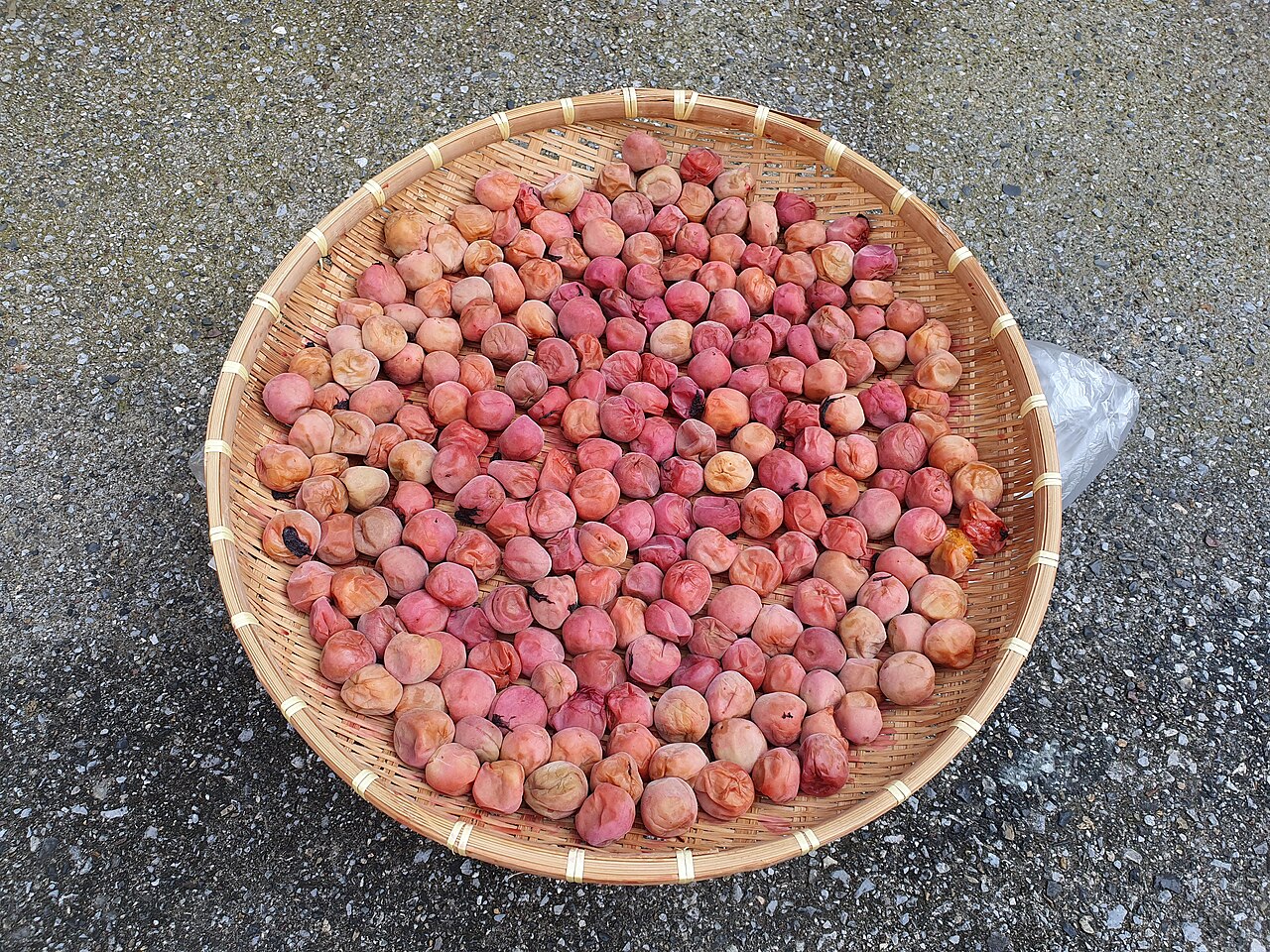
White spots sometimes appear on umeboshi. They look worrying, but most are salt or citric acid crystals. This guide follows the Q&A of the Kishu Tanabe Ume Promotion Council in Tanabe, Wakayama, a major Nanko ume area.
How to tell: does it dissolve in water?
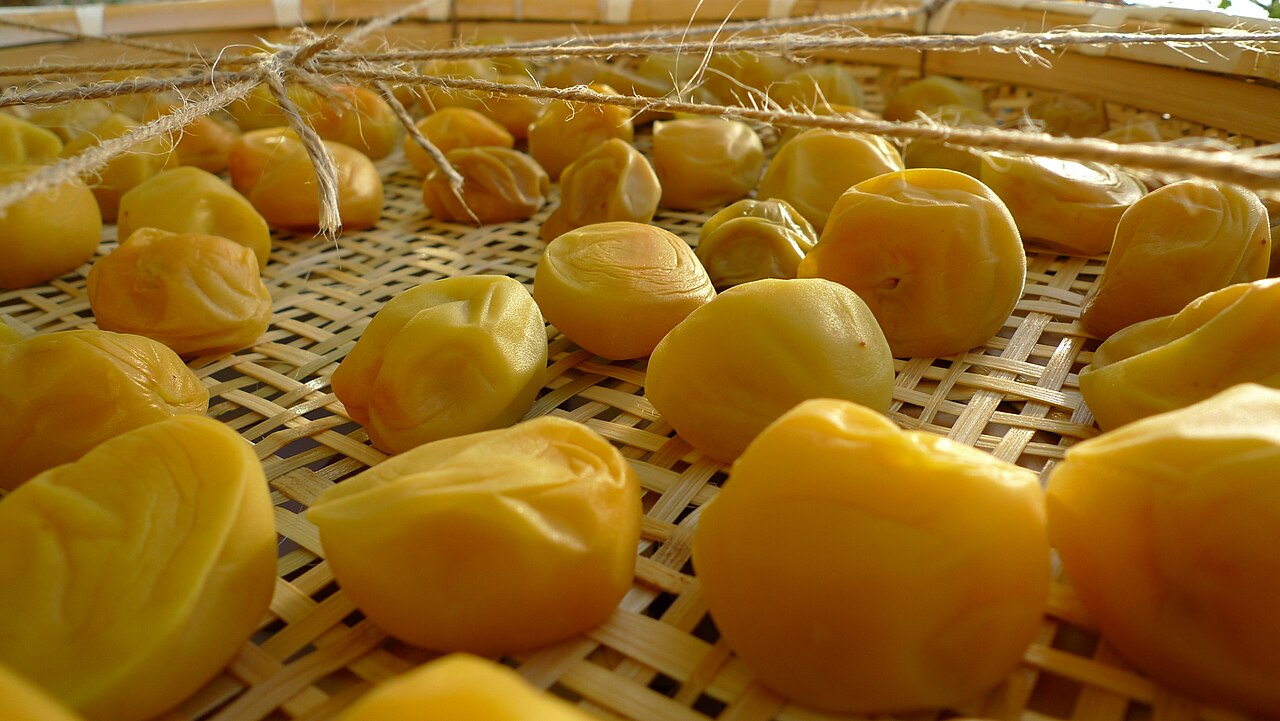
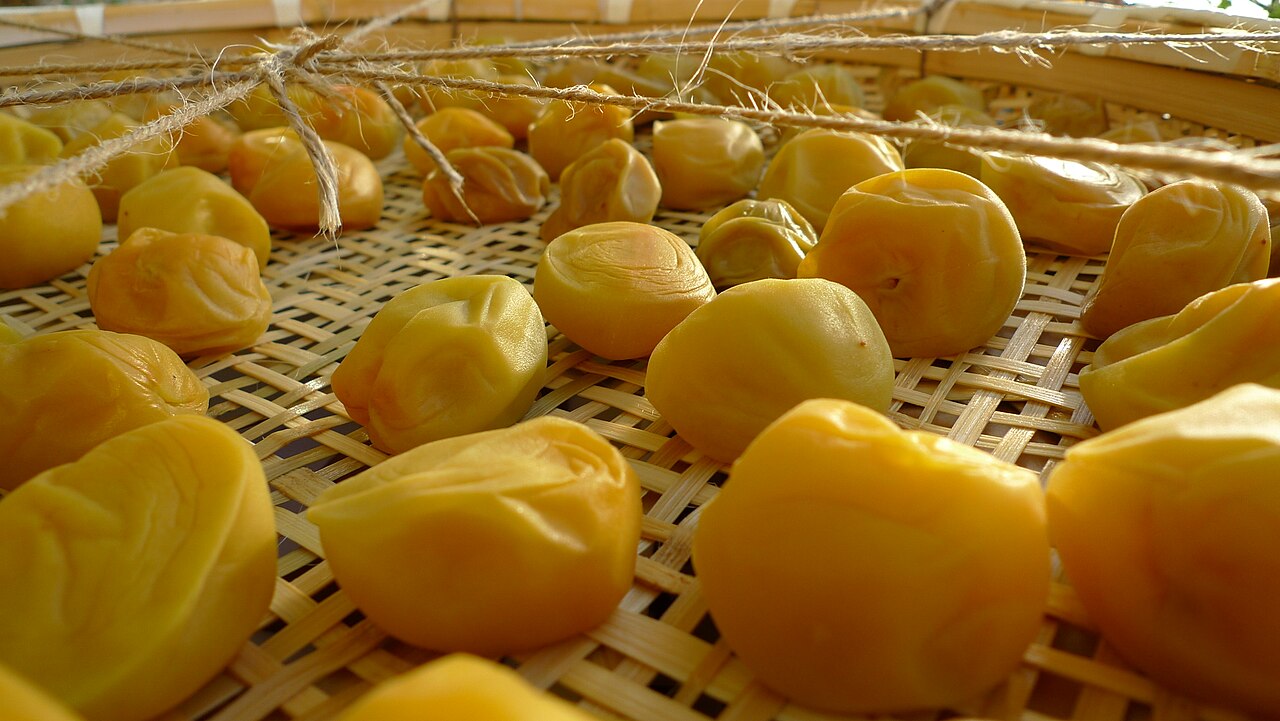
According to the council, white spots that appear while ume are drying are likely salt crystals or citric acid; mould hardly ever grows during drying.
The test is whether it dissolves in water:
- Dissolves: salt crystals or citric acid
- Does not dissolve: mould
If mould appears while pickling
If mould appears while the ume sit in their brine (umezu), the council suggests:
- Gently remove the mould and add vinegar: about 200–400 ml for 2 kg of ume.
- If the brine is cloudy, take out the ume, rinse them under running water and pickle them again in fresh ume vinegar (shop-bought or last year's). To reuse the old brine, bring it to the boil and let it cool first.
- Wash the container and sterilise it with boiling water (wipe plastic containers with a cloth soaked in vinegar).
Preventing mould
- Use salt at 20% of the weight of the ume (18% for small ume). Less salt can lead to mould (yeast).
- Touch the ume as little as possible: the council says handling them spreads germs and breaks the skin, which leads to fermentation and mould.
- If ume get wet in the rain while drying, rinse them quickly in vinegar, put them back in the brine and dry them again when the weather settles.
See homemade umeboshi for the basic method.
Products related to this article