Recipe
Homemade Umeshu from Green Ume
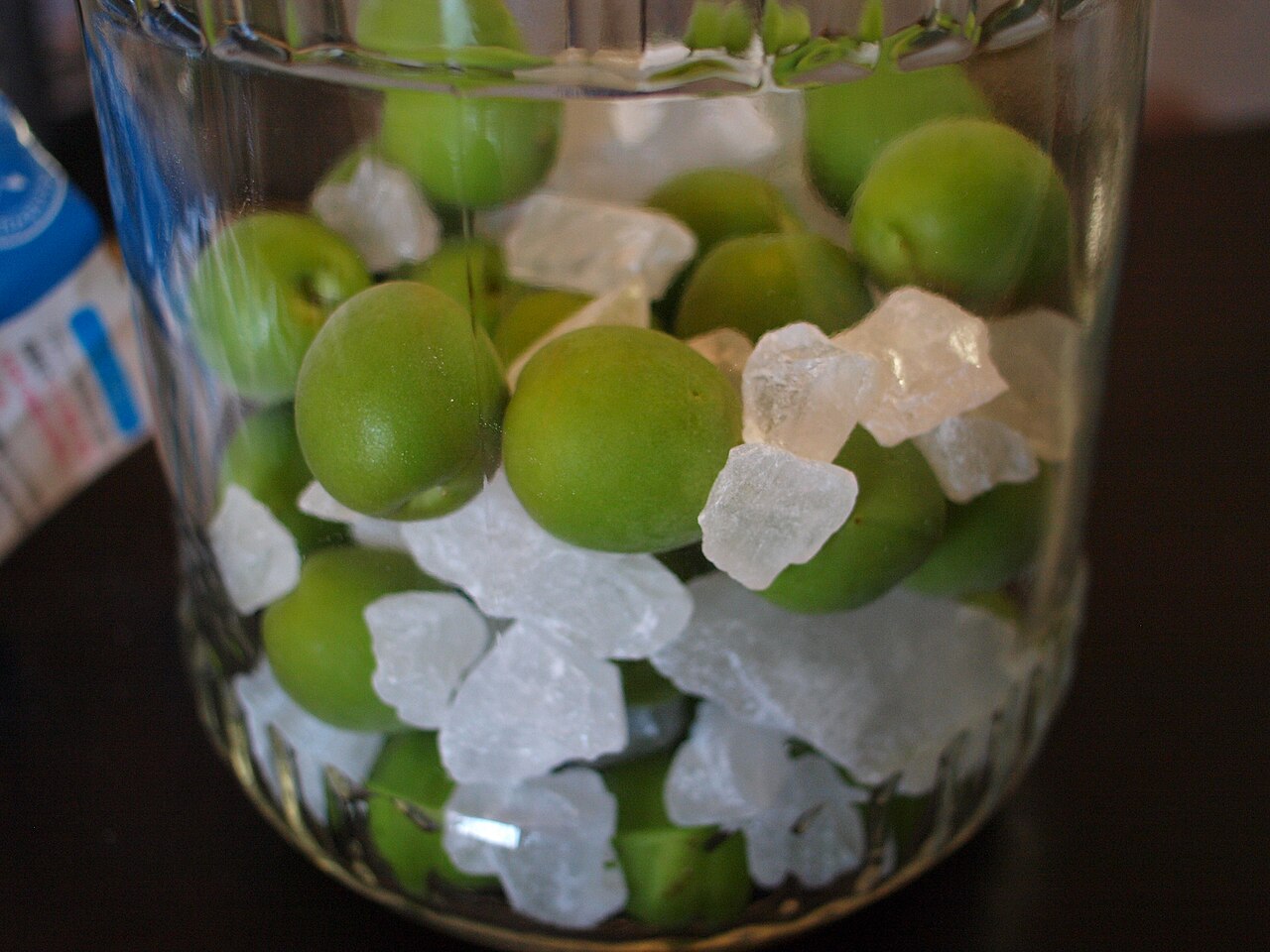
Green ume, rock sugar and white liquor in a jar, then wait. With the rules for making it at home in Japan (National Tax Agency).
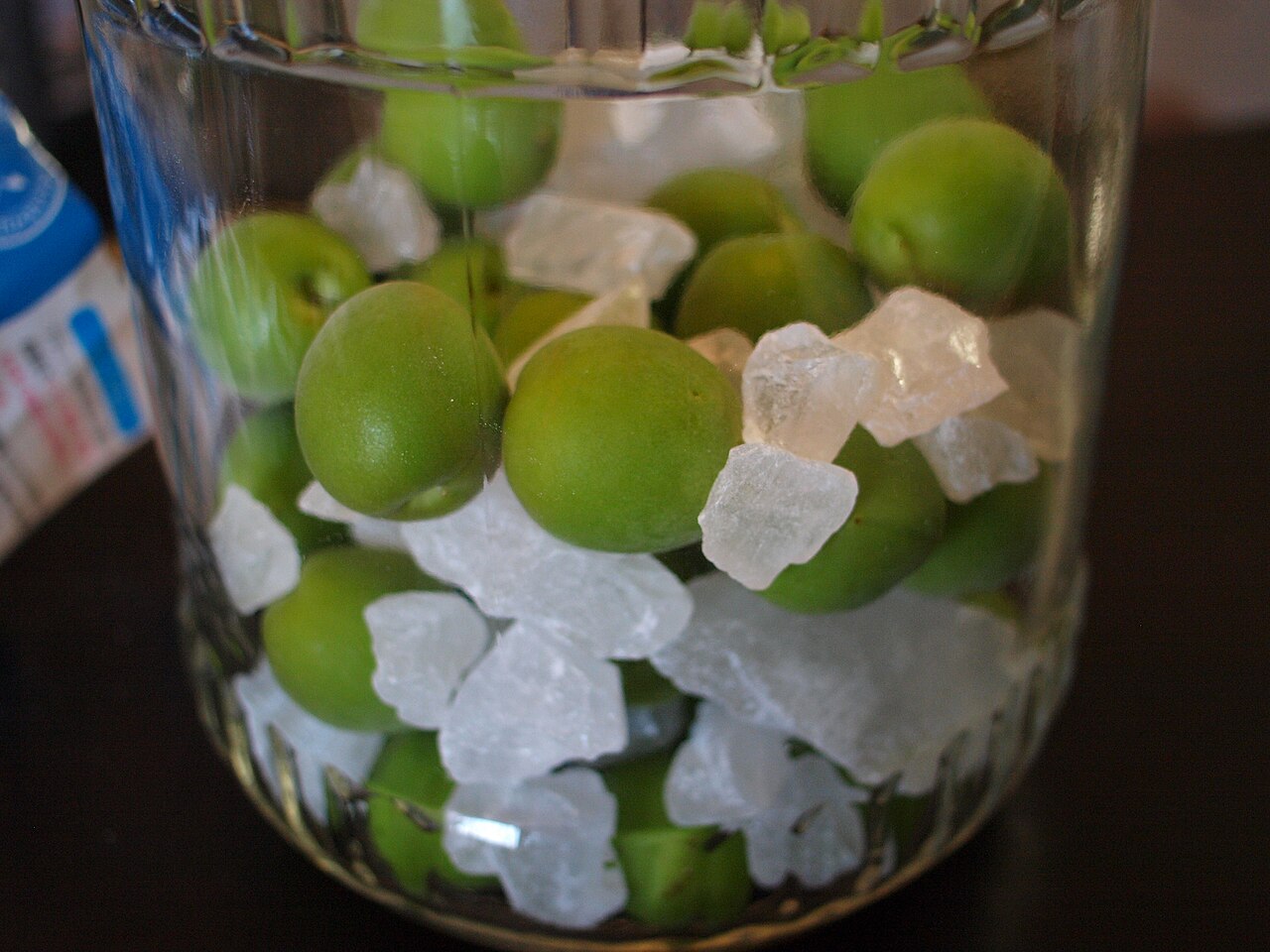
The classic ume project: homemade umeshu. Make it in May–June, when green ume are in season.
Ingredients (one 4 L jar)
- 1 kg green ume
- 500 g–1 kg rock sugar (to taste)
- 1.8 L white liquor (35% alcohol)
- A storage jar of about 4 L, sterilised with boiling water or food-grade alcohol
Method
- Wash the ume well and soak them in plenty of water for a while.
- Dry them thoroughly and remove the stem ends with a bamboo skewer.
- Layer the ume and rock sugar in the jar.
- Pour in the white liquor, close the jar and keep it in a cool, dark place.
- Shake the jar gently from time to time to dissolve the sugar. It is ready to drink after about three months.
Rules for making it at home in Japan
According to Japan's National Tax Agency, when you make umeshu at home to drink yourself:
- The alcohol must be 20% or stronger and already taxed (such as white liquor or shochu from a shop).
- Do not add grains such as rice or barley, their koji, or grapes.
- Do not sell what you make.
-
In Japan, drinking alcohol under the age of 20 is prohibited by law.
-
Green ume and unripe fruit and seeds contain natural toxins (cyanogenic compounds), so never eat them raw. Processing such as steeping or cooking is said to reduce them greatly (Ministry of Agriculture, Forestry and Fisheries, Japan).
Ume products for this recipe