Column (Last updated )
Top Ume Blossom Spots in the Chugoku and Shikoku Regions
From historic daimyo gardens like Okayama Korakuen and Ritsurin Garden to 16,000 blooming trees at Nanaore Plum Grove, here are 10 top ume blossom spots across the Chugoku and Shikoku regions, complete with blooming periods, tree counts, admission fees, and access info.
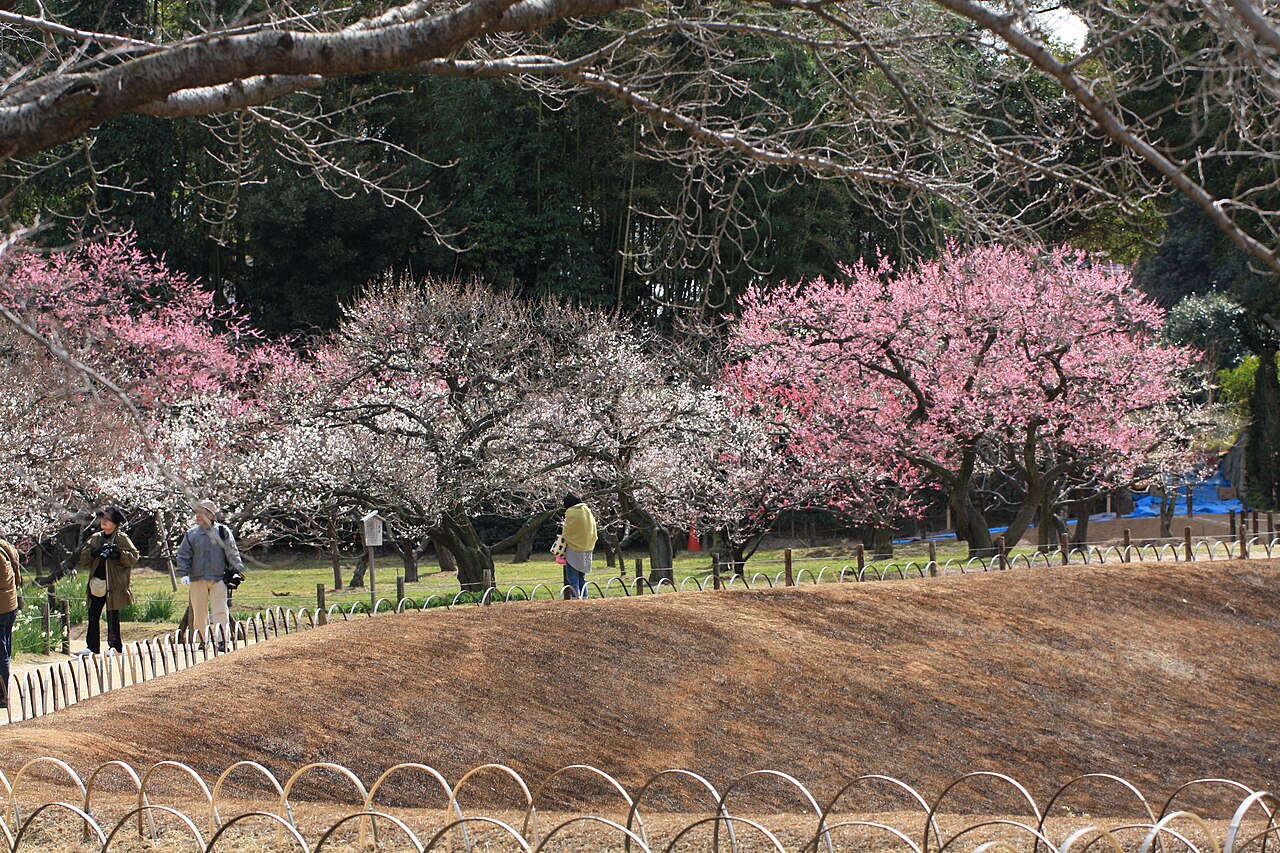
Here are 10 of the best ume spots across the Chugoku and Shikoku regions, grouped into Sanyo, San'in, and Shikoku. They range from grand daimyo stroll gardens like Okayama Korakuen—one of Japan's Three Great Gardens—and the Special Place of Scenic Beauty Ritsurin Garden, to mountain groves with over 10,000 blossoming trees. Details regarding tree counts, peak viewing times, admission fees, and access reflect the information on each spot's dedicated page. Blooming dates represent typical seasonal averages and can shift depending on the weather each year. Please be sure to check each official website for the latest blooming updates before you go.
Quick Guide by Season
- Early February onward: Urban gardens such as Okayama Korakuen, Shukkeien, and Ritsurin Garden.
- Mid-February to early March: Kanmuriyama Park, Akatani Plum Grove, Yomeishi Plum Grove, Mishio Plum Grove, Misumi Bairin Park, and Nanaore Plum Grove.
- March: Nokyo Plum Valley in Tottori blooms later, usually from early to late March.
| Spot | Approx. Trees | Peak Season | Admission |
|---|---|---|---|
| Okayama Korakuen Plum Grove | 100 | Early Feb – Early Mar | Adults: ¥500 |
| Shukkeien Garden | 130 | Feb – Mar | Adults: ¥350 |
| Mishio Plum Grove | 1,000 | Feb – Mar | Fee applies (grove maintenance fee) |
| Kanmuriyama Park | 2,000 | Feb – Early Mar | Free |
| Misumi Bairin Park | 1,018 | Late Feb – Early Mar | — |
| Nokyo Plum Valley | 2,000 | Early Mar – Late Mar | Fee applies for walking plan |
| Ritsurin Garden | 150 | Feb – Mar | Adults: ¥500 |
| Nanaore Plum Grove | 16,000 | Late Feb – Early Mar | Adults: ¥300 |
| Akatani Plum Grove | 4,000 | Mid-Feb – Mid-Mar | Parking fee only (¥500 for standard cars) |
| Yomeishi Plum Grove | — | Mid-Feb – Mid-Mar | — |
"—" indicates information not yet confirmed.
Sanyo: Okayama, Hiroshima & Yamaguchi
Okayama Korakuen Plum Grove (Okayama, Okayama Pref.)
Located inside Okayama Korakuen, one of Japan's Three Great Gardens, this plum grove heralds the arrival of spring with around 100 red and white ume trees. Peak season runs from early February to early March. Admission is ¥500 for adults, ¥200 for visitors aged 65 and over, and free for high school students and younger. From JR Okayama Station, take a tram for about 5 minutes, get off at Shiroshita stop, and walk about 10 minutes.
Shukkeien Garden (Hiroshima, Hiroshima Pref.)
A traditional Japanese garden in central Hiroshima featuring about 130 ume trees across 19 varieties, located right next to the Hiroshima Prefectural Art Museum. Admission is ¥350 for general visitors, ¥150 for university students, and free for high school students and younger. It is a short walk from the Shukkeien-mae tram stop.
Mishio Plum Grove (Mihara, Hiroshima Pref.)
Situated on a mountainside in Mihara, this is the largest plum grove in Hiroshima Prefecture, boasting around 1,000 ume trees. A blossom festival takes place during the blooming season, featuring ume-themed snacks and walking rallies. A maintenance fee applies; Hiroshima's tourism site lists it as ¥600 to ¥1,000 for adults depending on the flowering condition. Located about a 10-minute drive from the Onomichi IC on the Sanyo Expressway.
Kanmuriyama Park (Hikari, Yamaguchi Pref.)
A park overlooking the sea where about 2,000 ume trees of roughly 100 varieties flourish in the "Ume no Sato (Kanbaien)" area adjacent to Kanmuri Tenmangu Shrine, which is dedicated to Sugawara no Michizane. An Ume Festival is held from February through early March, featuring open-air tea ceremonies and traditional Japanese music performances. Admission is free (open daily during the festival). From JR Hikari Station, take a JR bus for about 12 minutes, alight at Tonaka, and walk about 3 minutes.
San'in: Shimane & Tottori
Misumi Bairin Park (Hamada, Shimane Pref.)
A park planted with 1,018 ume trees across 7 varieties, including Bungo, Aojiku, and Oshuku. Peak viewing is from late February to early March. An ume-picking event is held every year in early June. Located a 3-minute drive from the Hamada-Misumi IC on the San-in Expressway, with free parking for 40 cars.
Nokyo Plum Valley (Yurihama, Tottori Pref.)
Scattered across the Nokyo district of Yurihama—famous for "Nokyo-ume" plums—around 2,000 Bungo-variety trees burst into pink blossoms from early to late March. The groves are privately owned farms, but during the blooming period visitors can walk through them via guided walking plans organized by the Yurihama Town Tourism Association. In 2025, the walking plan was held from March 2 to 20, with individual fees ranging from ¥400 to ¥700 (including processed ume products).
Shikoku: Kagawa, Ehime, Tokushima & Kochi
Ritsurin Garden (Takamatsu, Kagawa Pref.)
A historic daimyo stroll garden designated as a Special Place of Scenic Beauty, home to around 150 ume trees across its North and South Plum Groves. White, deep pink, and pale pink blossoms open in graceful succession. Admission is ¥500 for adults and ¥170 for children. In February, opening hours are 7:00 to 17:30. A 3-minute walk from JR Ritsurin-Koen-Kitaguchi Station.
Nanaore Plum Grove (Tobe, Ehime Pref.)
Nestled in the mountains, this grove features roughly 16,000 ume trees of around 30 varieties. The small Nanaore ume was once prized as the "blue diamond." The Nanaore Ume Festival takes place annually from late February to early March, and the grounds are open to the public only during this event. Admission is ¥300 for adults (junior high school age and older) and free for children. Free parking is available for around 100 cars.
Akatani Plum Grove (Anan, Tokushima Pref.)
Tokushima's premier ume destination, spanning approximately 50,000 square meters with about 4,000 trees including Oshuku, Rinshu, and Koume varieties. The best time to visit is mid-February to mid-March. You only need to pay for parking (¥500 for standard cars). Located about a 20-minute drive from JR Anan Station on the Mugi Line.
Yomeishi Plum Grove (Kochi, Kochi Pref.)
A charming grove located in the Tosayama area, known as the tranquil inner retreat of Kochi City, where red and white ume blossoms thrive. Because the grove is on private land, it is accessible only during the annual plum festival from mid-February to mid-March.
Related Articles
Compare typical peak seasons for each destination on our Bloom Calendar. Looking beyond Chugoku and Shikoku? Discover great places to visit in our guide to Ume Blossom Spots in Kyushu or plan an excursion with our Ume Blossom Day Trips from Kansai. If this is your first time viewing plum blossoms, be sure to read our Beginner's Guide to Ume Blossom Viewing.