Column (Last updated )
Plum Blossom Spots in Kyushu
From the early-blooming plums at Dazaifu Tenmangu and Korinbai in Miyazaki to Ushinoo Bairin in Saga, we introduce seven famous plum blossom spots in Kyushu, along with their peak viewing times, number of trees, and directions.
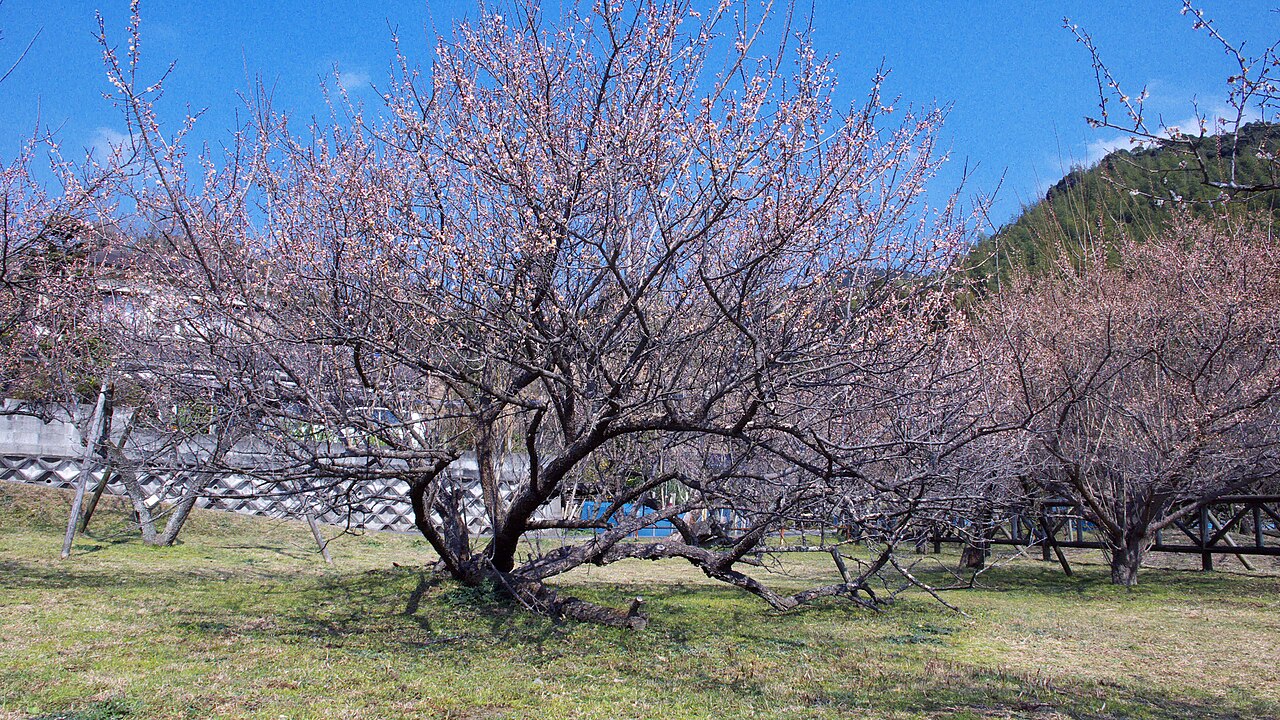
Plum blossoms in Kyushu bloom early, starting in late January. The Korinbai plums in Miyazaki and the Hibi-ume (Flying Plum) at Dazaifu Tenmangu announce the arrival of spring from January. We introduce seven famous plum blossom spots in Kyushu, ordered by their peak viewing times. The number of trees, peak viewing periods, and directions are detailed on each spot's page. Peak viewing times are based on average years and may vary depending on the weather. Please check the latest blooming information on official websites before your visit.
How to Choose
- Late January to February: Korinbai in Miyazaki and Dazaifu Tenmangu. At Dazaifu, the sacred tree "Hibi-ume" (Flying Plum) blooms first in the grounds.
- February: Gecchi-ume in Miyazaki, Taniozaki Bairin Park in Kumamoto, and Garan-ume at Fujikawa Tenjin in Kagoshima.
- Mid-February to March: Yoshino Baien in Oita and Ushinoo Bairin in Saga.
| Spot | Number of Trees (approx.) | Peak Viewing Time | Admission |
|---|---|---|---|
| Korinbai (Aoshima Nature Resort Village) | 670 trees | Late Jan to late Feb | — |
| Dazaifu Tenmangu | 6,000 trees | Late Jan to early Mar | — |
| Gecchi-ume in Takao | 70 trees | Early to mid-Feb | — |
| Taniozaki Bairin Park | — | — | Free |
| Fujikawa Tenjin (Garan-ume) | — | Mid to late Feb | — |
| Yoshino Baien | 450 trees | Mid-Feb to mid-Mar | Free |
| Ushinoo Bairin | 5,000 trees | Late Feb to early Mar | — |
"—" indicates items that have not yet been confirmed.
From Late January: Early-Blooming Plums in Kyushu
Korinbai (Miyazaki City, Miyazaki Prefecture)
Located in the mountains west of Aoshima, this plum garden in Aoshima Nature Resort Village is planted with approximately 670 trees, including red plums, small plums, Shirokaga, and Bungo varieties. According to Miyazaki City guides, they bloom in succession from late January to late February. From the observation deck atop the 458-step staircase, you can enjoy a panoramic view of Miyazaki city, the Pacific Ocean, and Aoshima. The "Korinbai Festival" is held every February. It is about a 13 km drive from central Miyazaki City.
Dazaifu Tenmangu (Dazaifu City, Fukuoka Prefecture)
A shrine dedicated to Sugawara no Michizane, the god of learning, the grounds feature approximately 200 varieties and 6,000 white and red plum trees. Official guides state the peak viewing period is from late January to early March. The sacred tree "Hibi-ume" (Flying Plum), located to the right of the main hall, is said to have flown from the capital in one night out of devotion to Michizane, and it blooms first in the grounds every year. You can also enjoy the famous Ume-ga-ebi-mochi (plum branch mochi) on the approach path. It is a 5-minute walk from Nishitetsu Dazaifu Station.
February: Plums Designated as Natural Monuments
Gecchi-ume in Takao (Miyazaki City, Miyazaki Prefecture)
These white, double-petaled plums are designated as a National Natural Monument. There are now approximately 70 trees. The peak viewing period is from early to mid-February. The "Gecchi-ume" bus stop on Miyazaki Kotsu lines is nearby.
Taniozaki Bairin Park (Kumamoto City, Kumamoto Prefecture)
A famous plum spot in Nishi Ward, Kumamoto City, featuring a giant stone said to be where Miyamoto Musashi practiced zazen. It is also said that military plums for Kato Kiyomasa were cultivated here. Admission is free. Get off at the "Taniozaki" bus stop and walk for about 1 minute. The roads are narrow, so large buses cannot pass. The parking lot accommodates about 10 standard cars.
Garan-ume at Fujikawa Tenjin (Satsuma-ken City, Kagoshima Prefecture)
This plum grove is said to have grown from a single plum tree planted by Sugawara no Michizane and was designated as a National Natural Monument in 1941. It is called "Garan-ume" (Reclining Dragon Plum) because the branches of the old tree lie on the ground, sprouting roots and extending in a shape resembling a dragon. The flowers are double-petaled, and according to Kagoshima Prefecture guides, they reach full bloom from mid to late February each year.
Mid-February to March: Plum Groves in Northern Kyushu
Yoshino Baien (Oita City, Oita Prefecture)
A famous plum spot in Oita with approximately 450 trees, including Bungo, Aonami, Shirokaga, Kanben, and Garan varieties. The peak viewing period is from mid-February to mid-March. The Plum Festival features performances of the Garan-ume Taiko drum and Yoshino Bojutsu (staff martial arts). Admission is free. It is a 45-minute bus ride from Oita Station; get off at "Sugihara" and walk for about 6 minutes.
Ushinoo Bairin (Ogaki City, Saga Prefecture)
The oldest plum grove in Saga Prefecture, dating back to the late Edo period, with approximately 5,000 plum trees planted over 22 hectares. Ushinoo Shrine is located at the foot of the hill. The peak viewing period is from late February to early March. The "Ushinoo Ume Festival," hosted by local plum producers, is held to coincide with peak blooming, selling umeboshi and other products. The parking lot on top of the hill accommodates about 20 cars but is unavailable during the festival, when a shuttle bus operates.
Related Pages
You can compare the average peak viewing times for each spot on the Peak Viewing Calendar. Famous plum spots in Chugoku and Shikoku are listed in Plum Blossom Spots in Chugoku and Shikoku, and spots accessible from Kansai are summarized in Plum Blossom Spots Accessible from Kansai. If it is your first time viewing plum blossoms, please also see the First-Time Ume Blossom Guide.