Column
Why Are Umeboshi Red? The Color Created by Red Shiso and Umezu
The red color of umeboshi comes not from the plums themselves, but from the pigments in red shiso. We explain how red shiso turns red in umeshu (plum vinegar), the black juice released during salt rubbing, how to use red umeshu, and how to distinguish the colors of commercial products.
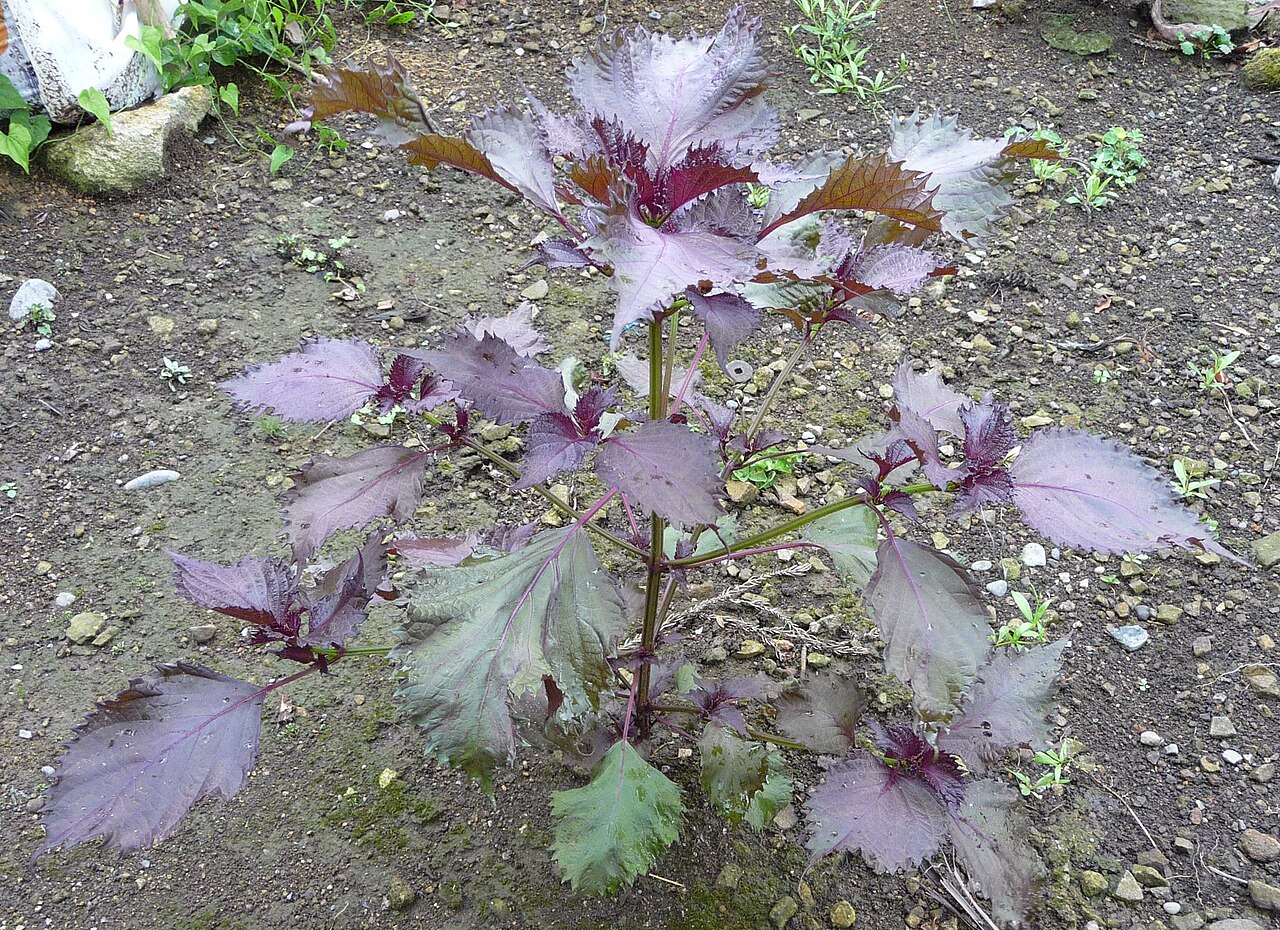
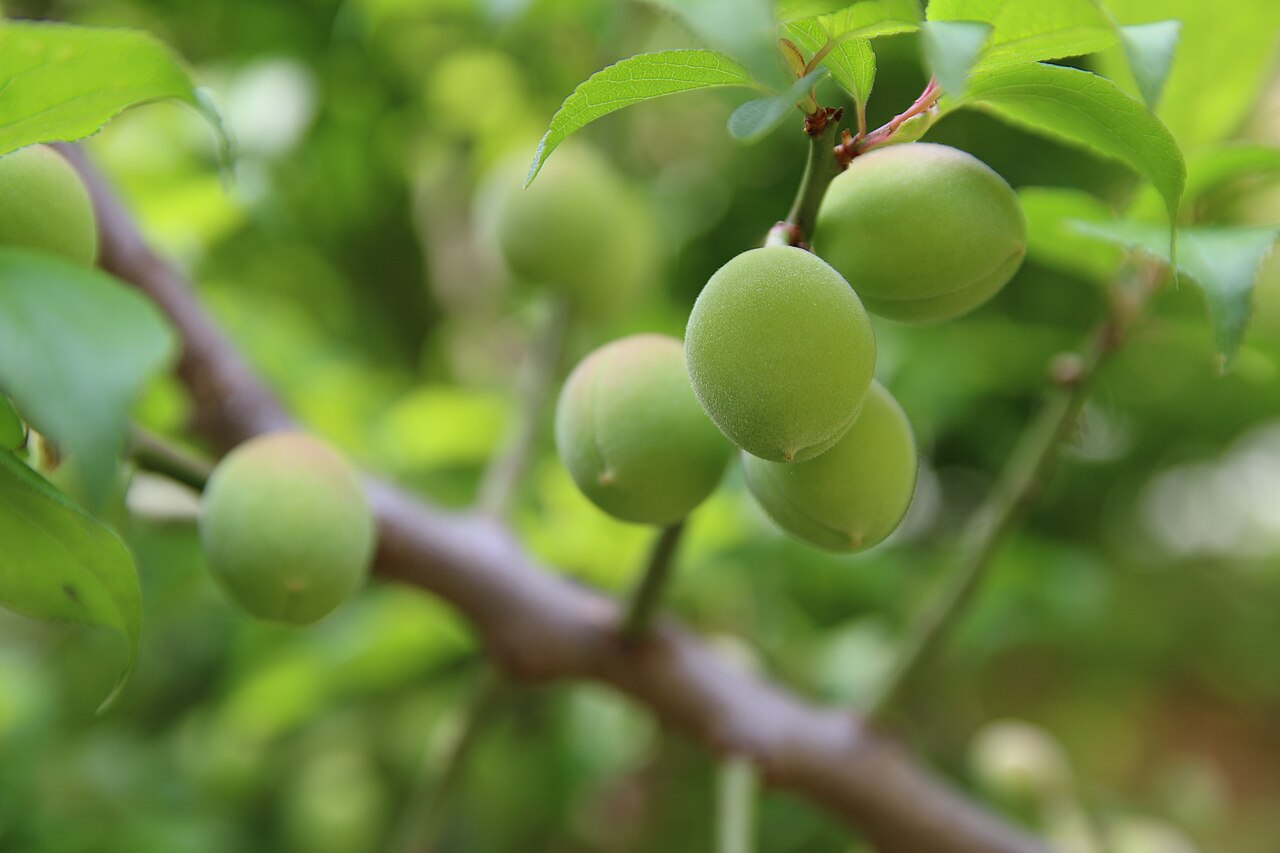
Many people might associate umeboshi with its red color. However, umeboshi preserved with only salt is not red. That red color comes from the red shiso added during the pickling process.
White Dried Umeboshi Is Not Red
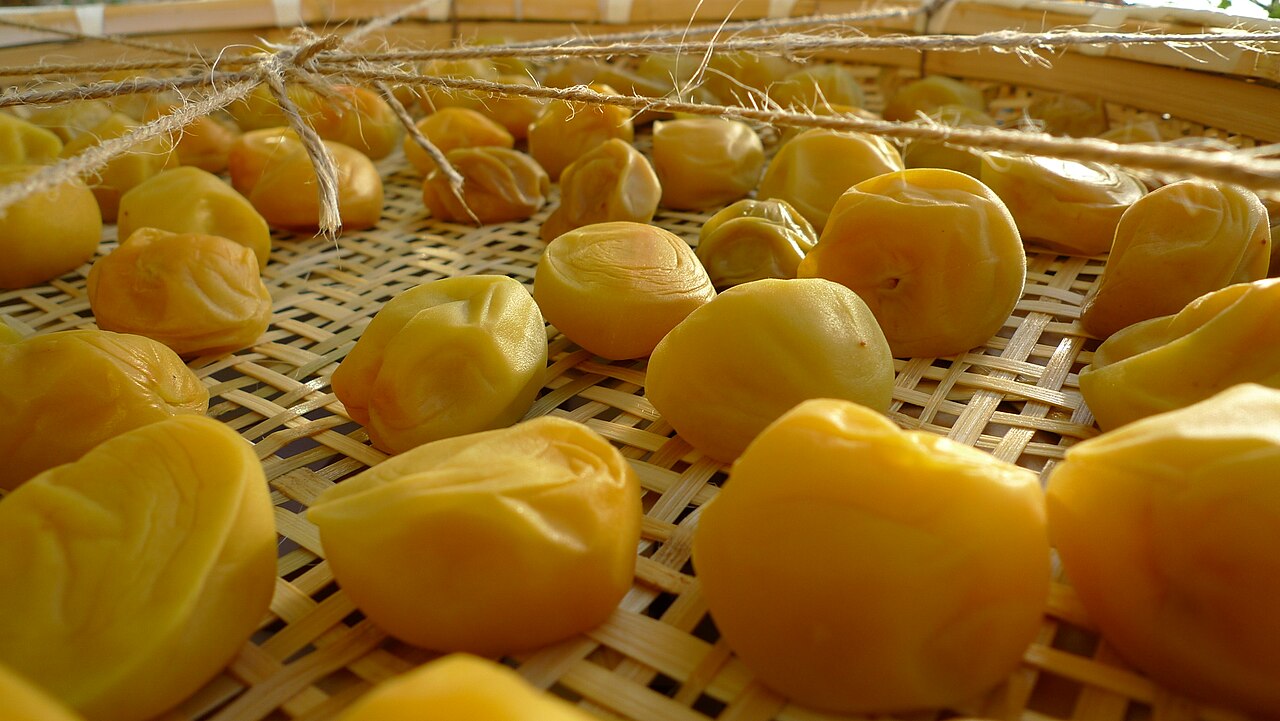
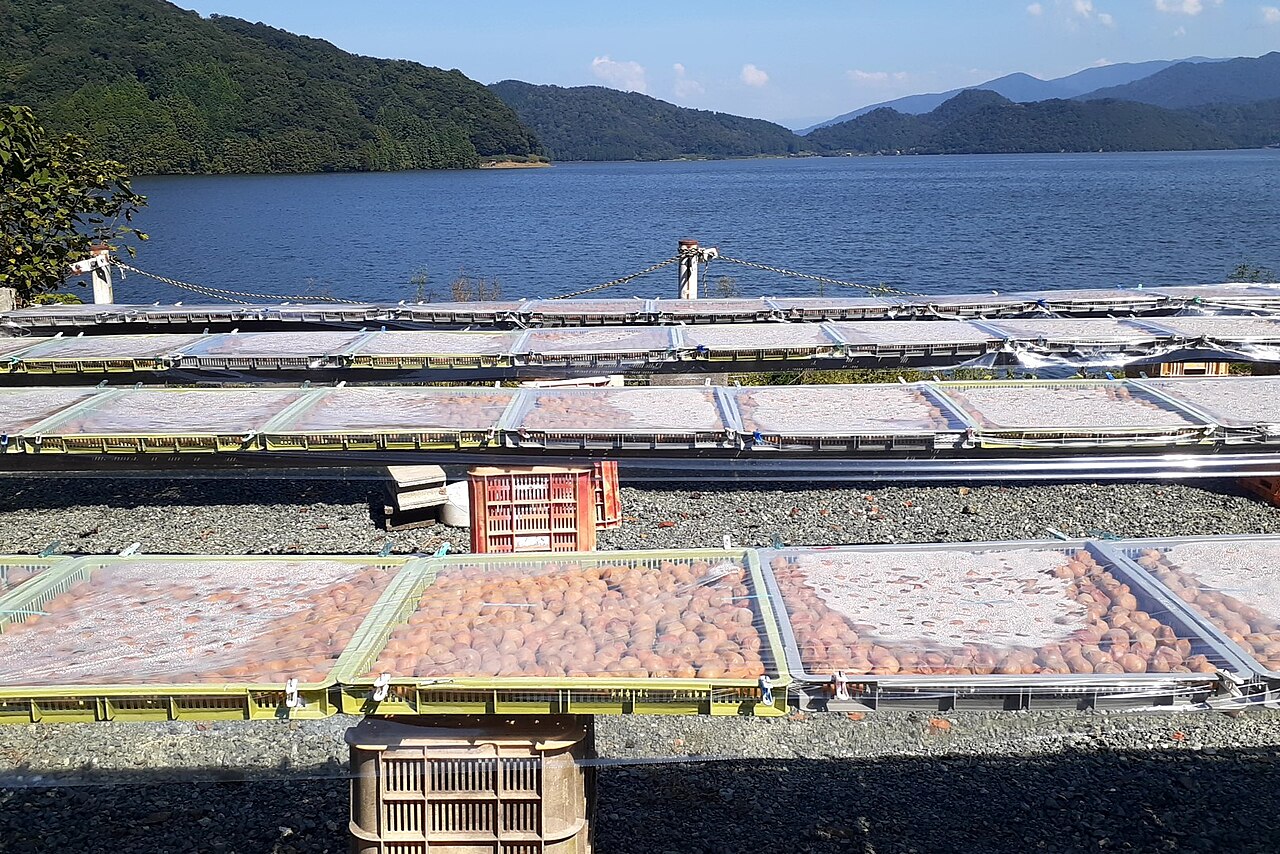
"White dried" umeboshi, which is preserved with only salt and dried, is yellow to light brown. "Shiso-pickled" umeboshi, where red shiso is added partway through, becomes the familiar crimson color. We have summarized the differences in taste and aroma in How to Choose Umeboshi.
Red Shiso Pigments Turn Red in Umezu
The red-purple color of red shiso is due to a pigment called anthocyanin. The pigments from red shiso used in making umeboshi have also been studied as anthocyanins.
Anthocyanins change color depending on the surrounding environment:
- Acidic: Red
- Neutral: Purple
- Alkaline (Basic): Blue
When plums are pickled with salt, an acidic juice called "umezu" (plum vinegar) rises from the plums. When red shiso is added to this acidic umeshu, the red-purple pigments change to a vibrant red, and the color transfers to the plums. This is the mechanism behind the red color of shiso-pickled umeboshi.
Discard the Black Juice from Salt Rubbing
When adding red shiso to homemade umeboshi, rub the leaves with salt and discard the resulting dark juice before adding them to the umeshu. Even in traditional home recipes from Tango, Kyoto Prefecture, it is noted that "rubbing well makes it beautifully red."
For the procedure, please see Adding Red Shiso to Umeboshi: Preparation and Pickling for Shiso-Pickled Umeboshi.
You Can Use the Red Umezu Too
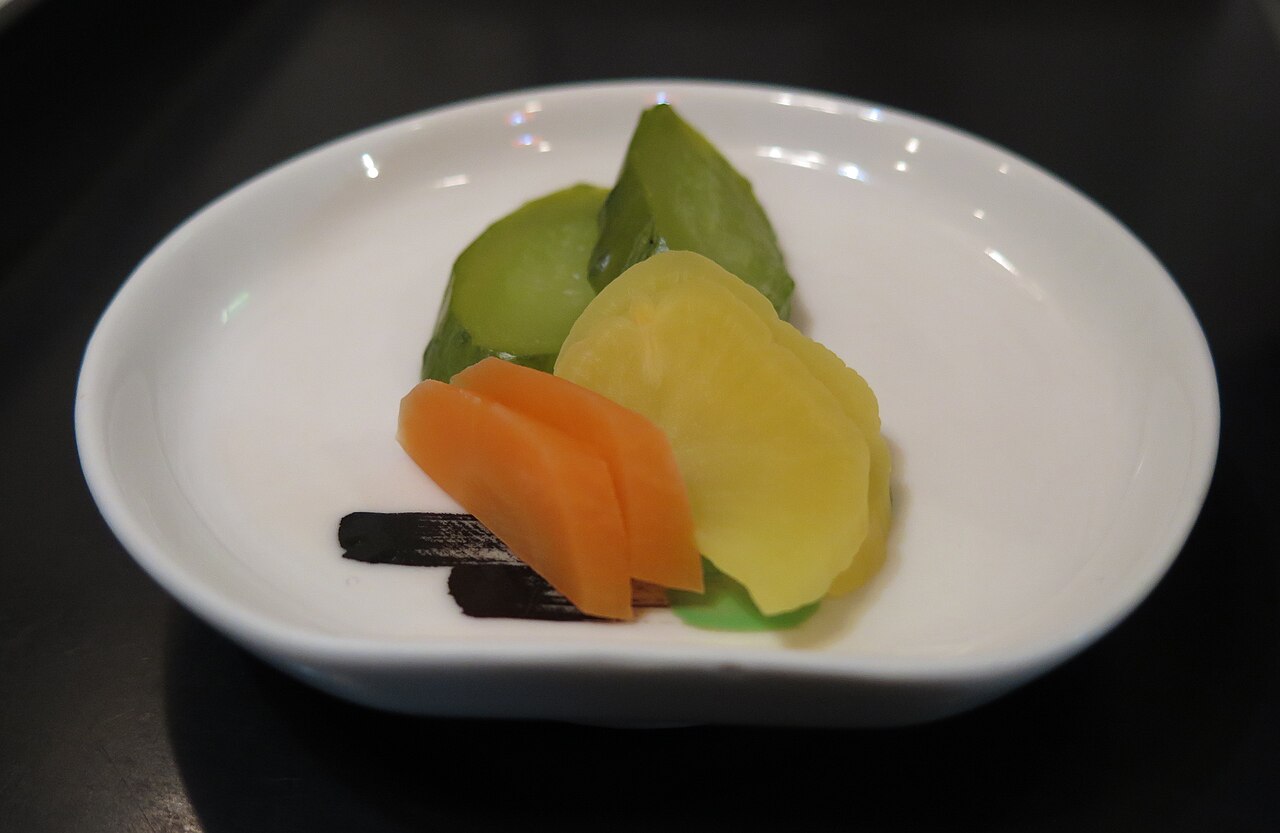
Umeshu with red shiso added is called "red umeshu" and has a beautiful red color. It can be used for pickling vegetables or in vinegar dishes. → Vegetable Pickles Made with Umezu
Distinguishing the Color of Commercial Umeboshi
When commercial umeboshi is red, checking the ingredient list will reveal the reason.
- If "shiso" is listed in the ingredients, it is the color of red shiso.
- If food additives (coloring) are used to add color, they will be listed in the ingredient label.
We explain how to read labels in detail in How to Read Umeboshi Labels.