Column
Ume Prep Equipment: What You Need to Get Started for Umeshu, Ume Syrup, and Umeboshi
Storage jars, bamboo skewers, ziplock bags, weights, and drying baskets. Here is a guide to the equipment needed for umeshu, ume syrup, and umeboshi, as well as methods for sterilizing containers, based on recipes from the Ministry of Agriculture, Forestry and Fisheries (MAFF) and other sources.
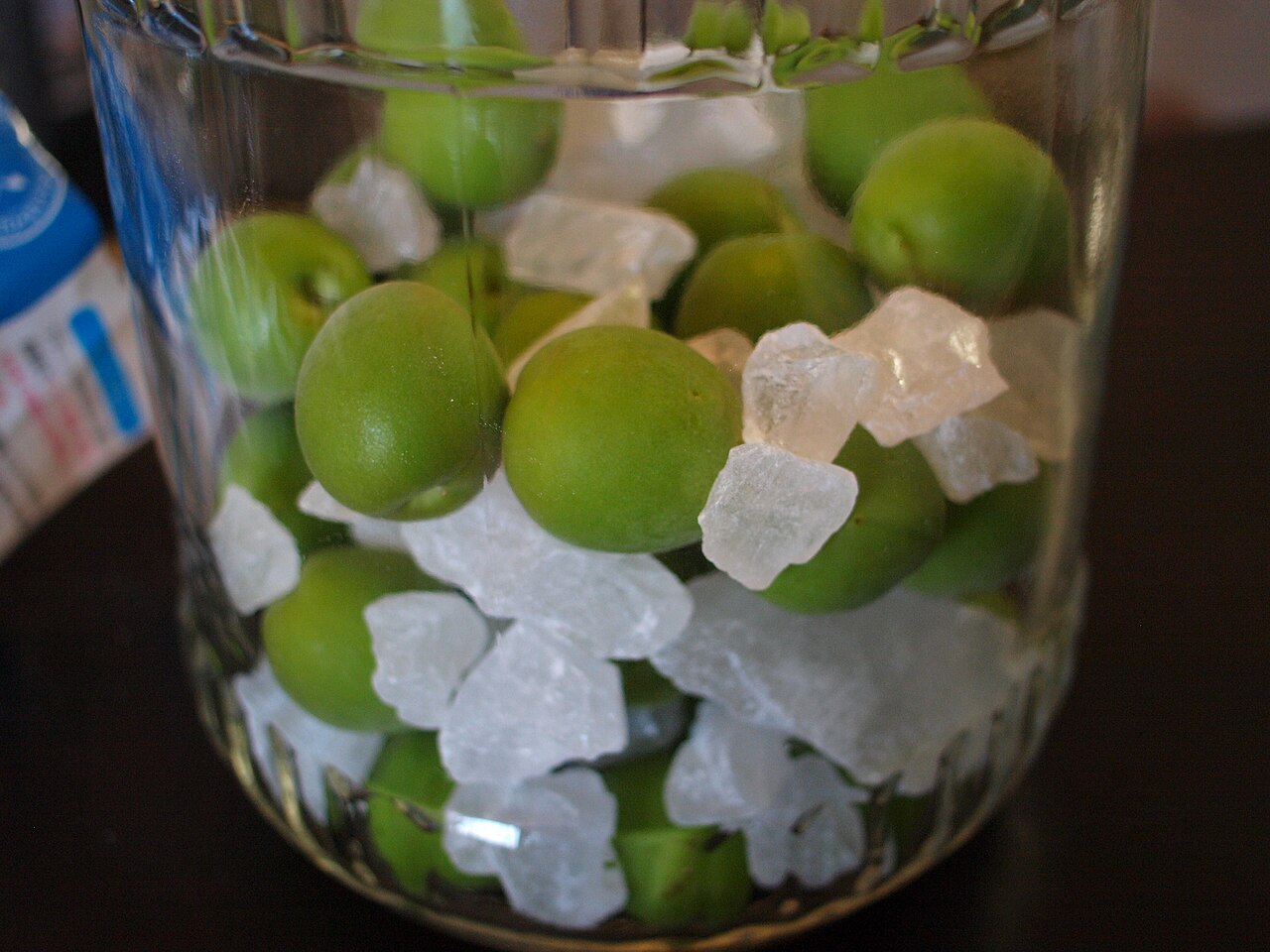
Ume prep (ume shigoto) can be started once you have a few tools in addition to ume, sugar, salt, and alcohol. Here is a list of tools used in recipes recommended by the Ministry of Agriculture, Forestry and Fisheries (MAFF) and other sources, categorized by what you are making.
Basic Equipment (Common to All)
- Kitchen scale: Ume, sugar, and salt are measured by weight. For exact amounts, see What Can You Make with 1 kg of Ume? Cheat Sheet.
- Bamboo skewers: Used to remove the stems of the ume.
- Cloth / Kitchen paper towels: Used to wipe moisture off the washed ume. Any remaining water can cause mold.
- Bowls and colanders: For washing or soaking the ume in water.
Umeshu & Ume Syrup
Wide-Mouth Storage Jar
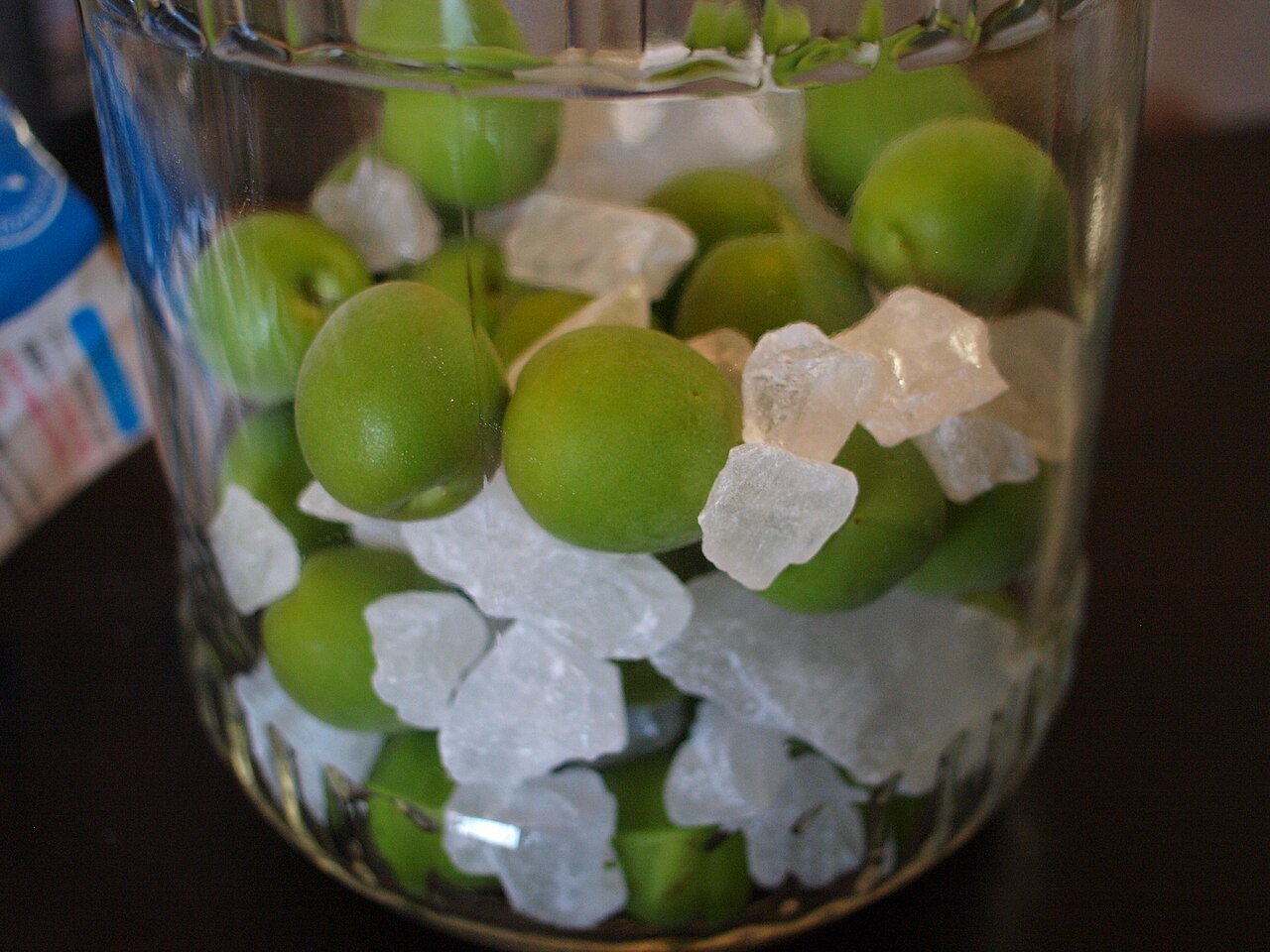
In the MAFF recipes, umeshu is made in a wide-mouth jar sanitized with boiling water, while ume juice (ume syrup) is made in a storage jar sanitized by boiling. Layers of ume and rock sugar are added alternately. A wide mouth makes it easier to add ume and rock sugar, as well as to remove them later.
Size Guide: For umeshu made with 1 kg of ume, 700 g of rock sugar, and 1.8 L of white liquor, the ingredients alone exceed 3 L. Therefore, a jar of around 4 L is easy to use for 1 kg of ume (this site's recommendation). For 500 g of ume, use half that size.
Freezer Bags
In the MAFF recipe for ume juice, green ume with stems removed are placed in a freezer bag and frozen overnight before steeping.
Umeboshi
Storage Bags and Tray (or Pickling Container)
The recipe from the JA Wakayama Federation (from MAFF's "Our Regional Cuisine") uses thick freezer bags (storage bags) for pickling.
- Double the bags (use two layers) and lay them flat on a tray in case of leaks.
- Sanitize the inside of the bags with shochu (35% ABV or higher) or vinegar.
- Using thick bags from major brand manufacturers is recommended to prevent leakage.
You can also use a traditional ceramic crock or pickling container.
Pickling Weight
Place a weight equal to the weight of the ume (e.g., a 1 kg weight for 1 kg of ume). Once the ume vinegar (ume-zu) rises in 2 to 3 days, remove the weight.
Drying Baskets
After the pickling process is complete, choose 3 to 4 consecutive sunny days to dry the ume in the sun (doyoboshi). Have bamboo strainers or flat baskets ready to arrange the ume.
Red Shiso (If making shiso-pickled umeboshi)
Add red shiso for color and aroma. In addition to fresh leaves, pre-salted leaves are also available on the market.
Sanitizing Containers
- Wash and dry thoroughly: MAFF recommends using clean, thoroughly dried containers after washing, and notes that sanitizing with food-grade ethanol is even better.
- Hot water / Boiling sterilization: MAFF recipes call for sterilizing jars with hot water or by boiling. Glass jars may crack if hot water is poured over them suddenly, so please check the instructions for your jar.
- For umeboshi bags, sanitize with shochu (35% ABV or higher) or vinegar (as mentioned above).
MAFF also advises keeping umeshu and green ume out of reach of children to prevent accidental ingestion.
Once You Have Your Equipment
To learn when and which ume to buy, see Ume Prep: When and Which Ume to Buy?. For recipes, check out Homemade Umeshu with Green Ume, Ume Syrup with Green Ume, and My First Umeboshi.
- Drinking under the age of 20 is prohibited by law.