Column
When and what to buy for ume work? Green vs. ripe plums, varieties, and seasonal availability
Green plums are best for umeshu and ume syrup, while ripe plums are ideal for umeboshi. This guide covers the suitability of different varieties, when plums arrive at Tokyo markets, and tips for buying from producer online shops.
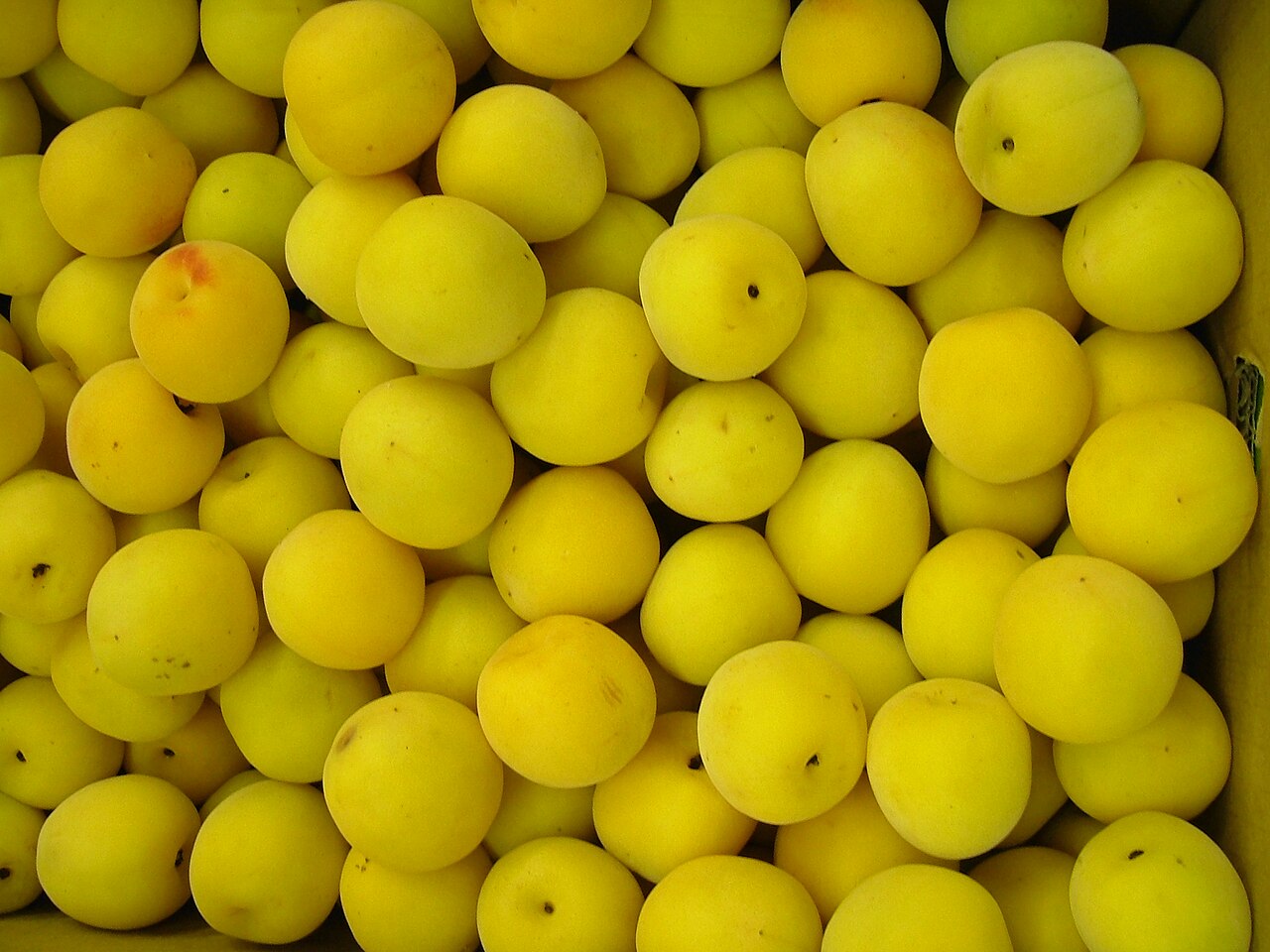
Even if you want to make umeshu or umeboshi, plums are only available in stores for a short period in early summer. The type of plum you should buy depends on what you are making, so deciding in advance will help you avoid confusion.
Choose Based on What You Are Making
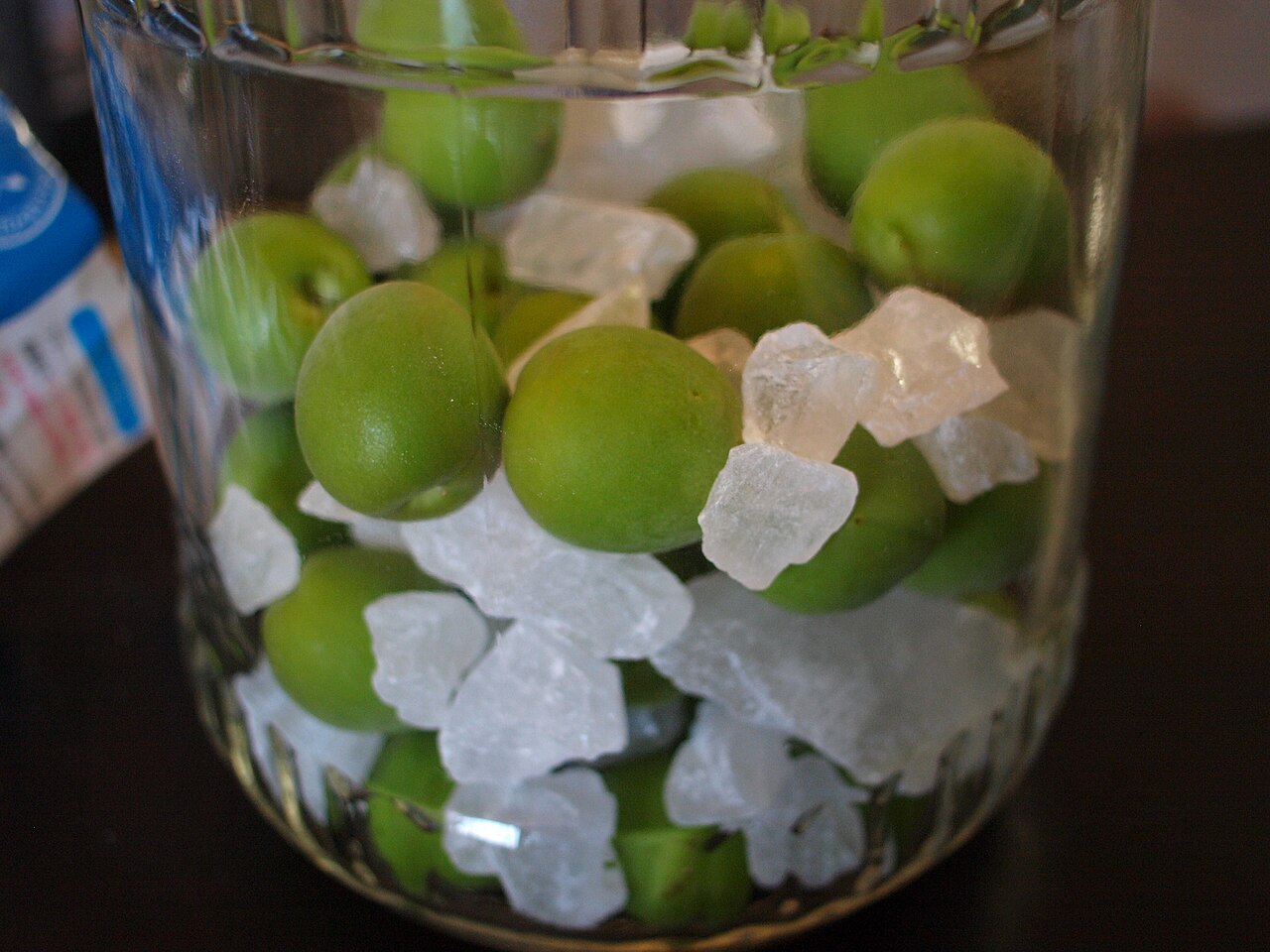
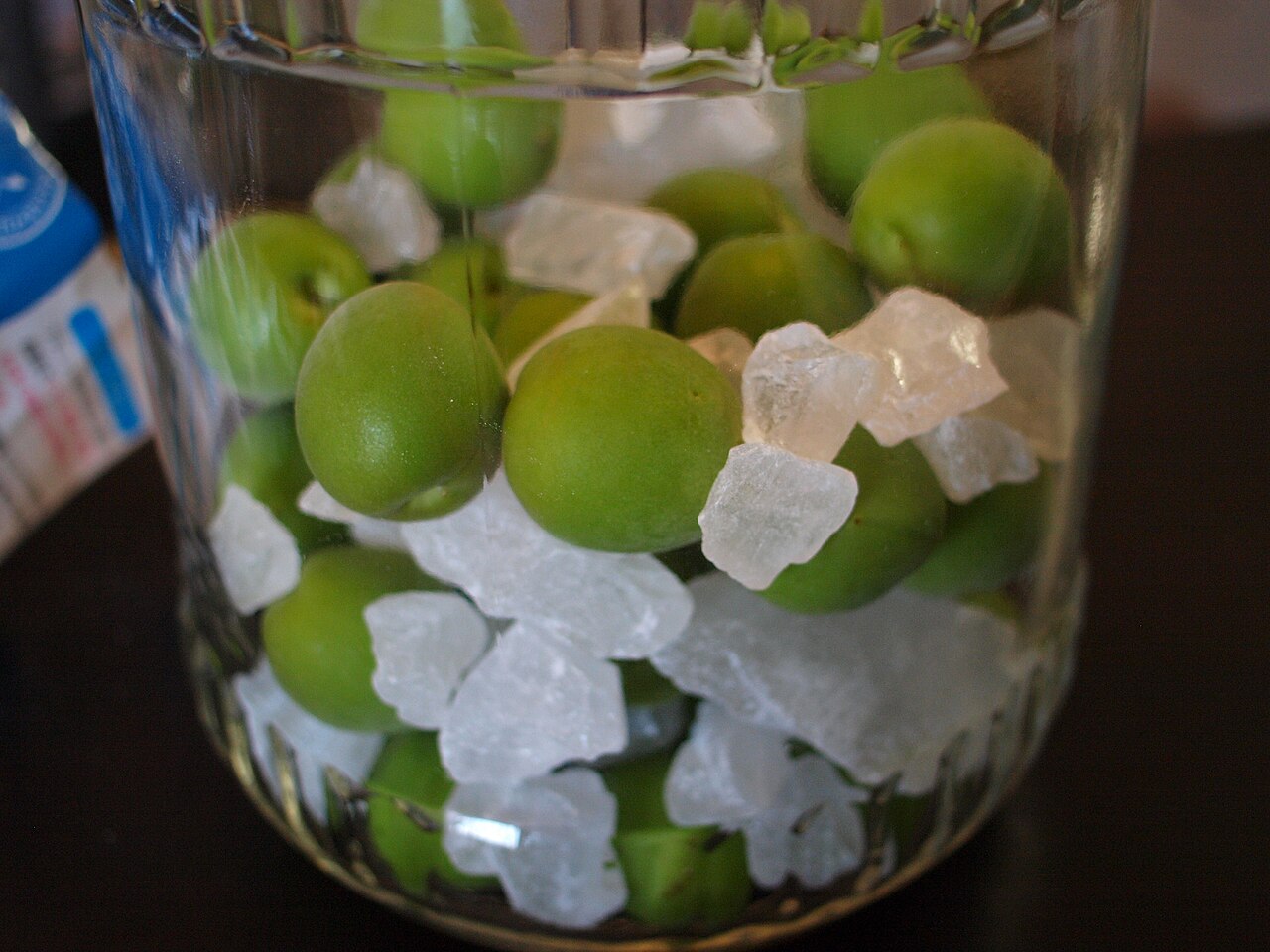
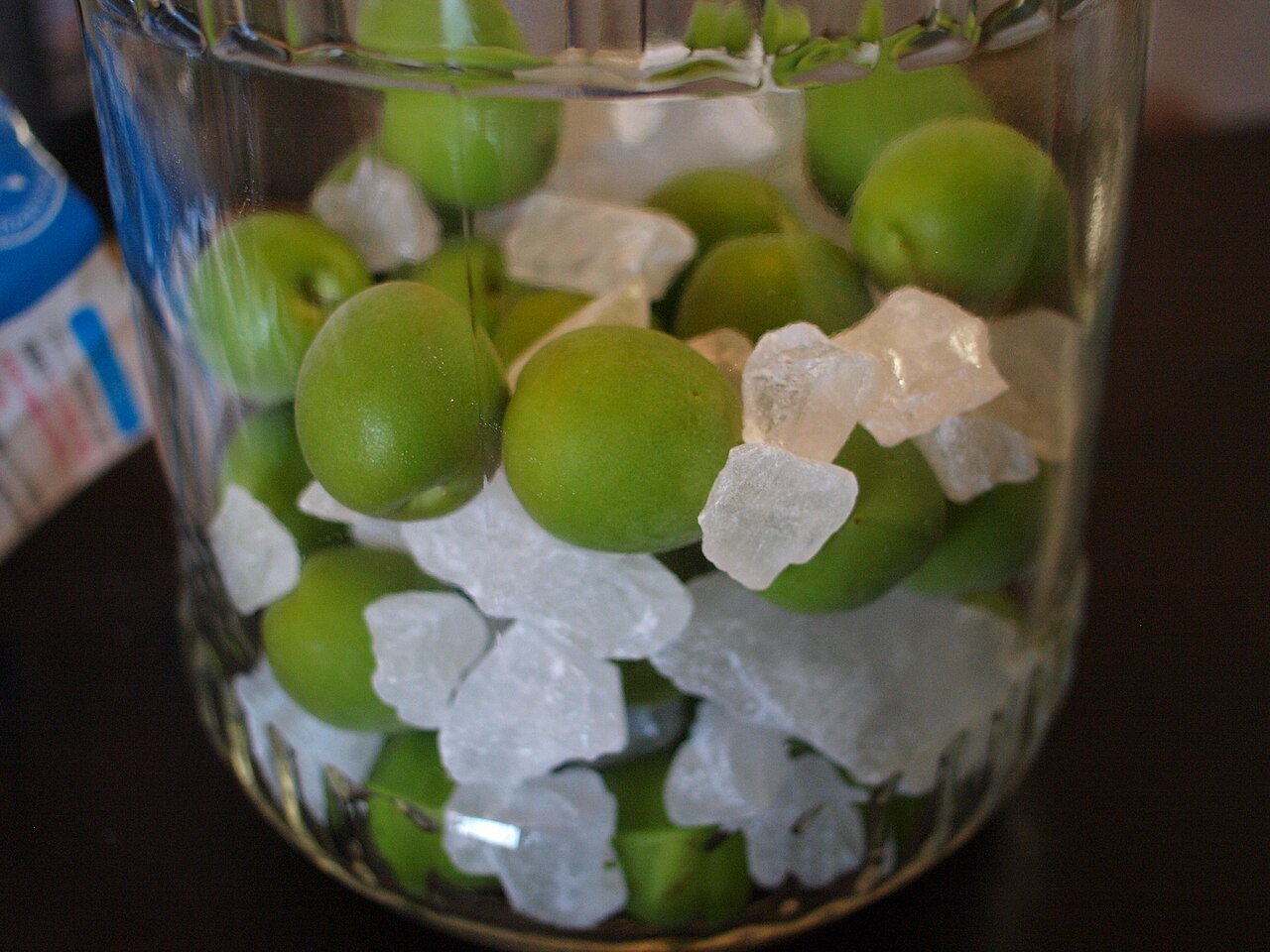
- Umeshu & Ume Syrup (Ume Juice): Use green plums that are still hard and green. Recipes for umeshu and ume juice introduced by the Ministry of Agriculture, Forestry and Fisheries also use green plums.
- Umeboshi: Use ripe plums that have turned yellow and become soft.
- Karakari Ume (Crispy Umeboshi): Use small, hard green plums.
Green plums cannot be eaten raw. They contain natural toxins called cyan compounds, which are said to break down when processed and aged into umeshu or umeboshi (Ministry of Agriculture, Forestry and Fisheries).
Suitability by Variety
| Variety | Best For | Main Producing Areas |
|---|---|---|
| Nanko | Umeboshi (ripe plums). Also available as green plums | Wakayama Prefecture |
| Gojiro | Umeshu & Ume Syrup | Wakayama Prefecture |
| Shirokaga | Umeshu & Umeboshi | Gunma, Ibaraki, and Miyagi Prefectures |
| Oshuku | Umeshu | Nara, Tokushima, and Oita Prefectures |
| Ryukyo Koume | Karakari Ume & Small Pickled Plums | Nagano, Miyagi, and Fukushima Prefectures |
According to the Ume Research Institute of the Wakayama Prefectural Fruit Tree Experiment Station, Gojiro is not suitable for umeboshi but produces an amber-colored umeshu. Nanko has thin skin and soft flesh, and is known for umeboshi made from ripe fruits. Shirokaga has thick flesh and a good aroma, making it suitable for both umeshu and umeboshi. Please see each variety's page for details.
Seasonal Availability
According to the Ministry of Agriculture, Forestry and Fisheries, the season for plums is generally from May to July. The following are approximate harvest times for each variety, listed in order of earliest availability.
- Ryukyo Koume & Gojiro: Late May to early June
- Oshuku: Early to mid-June
- Nanko: Early to late June (Green plums: early to mid-June; Ripe plums: mid-June onwards)
- Shirokaga: Mid to late June
In Wakayama, shipments continue in the order of small plums, Gojiro, and Nanko. Timing may vary depending on the year's climate and the producing area, so please treat these as guidelines.
June Arrivals at Tokyo Markets (2026)
Based on the daily market reports from the Tokyo Central Wholesale Market collected on this site (June 2026 data), the results were as follows:
- Wakayama Prefecture: Arrivals until June 23. Approximately 75% of June's volume arrived in early June.
- Gunma Prefecture: Arrivals until June 30. Approximately 57% in early June and 37% in mid-June.
At Tokyo markets, arrivals were concentrated in early June. We have not compiled data for arrivals before May.
You can check daily price fluctuations on the Ume Market Prices page.
Where to Buy
- Supermarkets, Greengrocers, Direct Sales Stores: You can inspect and select the fruits. Since the period they are available is short, buy them when you see them.
- Producer Online Shops: You can order specific varieties or choose between green and ripe plums. A green plum feature in an online shop for Wakayama products introduced by the prefecture in 2018 offered products ranging from green plums to ripe plums for umeboshi and accepted pre-orders. It was noted that quantities are limited and the sales period may be shortened depending on demand.
If you have a specific variety or ripe plums in mind, it is safer to find a shop where you can make pre-orders before the season. The timing for pre-orders and delivery dates varies by shop, so please check each shop's information.
After Buying
- Wash the plums thoroughly and wipe off all moisture. Residual dirt or moisture can lead to mold growth (Ministry of Agriculture, Forestry and Fisheries).
- Remove the stems with a bamboo skewer.
- For quantities, refer to What can you make with 1kg of plums? Quick Reference Chart, and for necessary tools, refer to Tools for Ume Work.
For recipes, see Making Umeshu with Green Plums, Making Ume Syrup with Green Plums, and First-Time Umeboshi. The annual cycle is summarized in the "Ume Work" Calendar for the Year.